

As artificial intelligence becomes more common in education systems worldwide, educators and policymakers are exploring how it can support equitable access to learning. Open Educational Resources (OER) are at the center of this shift.
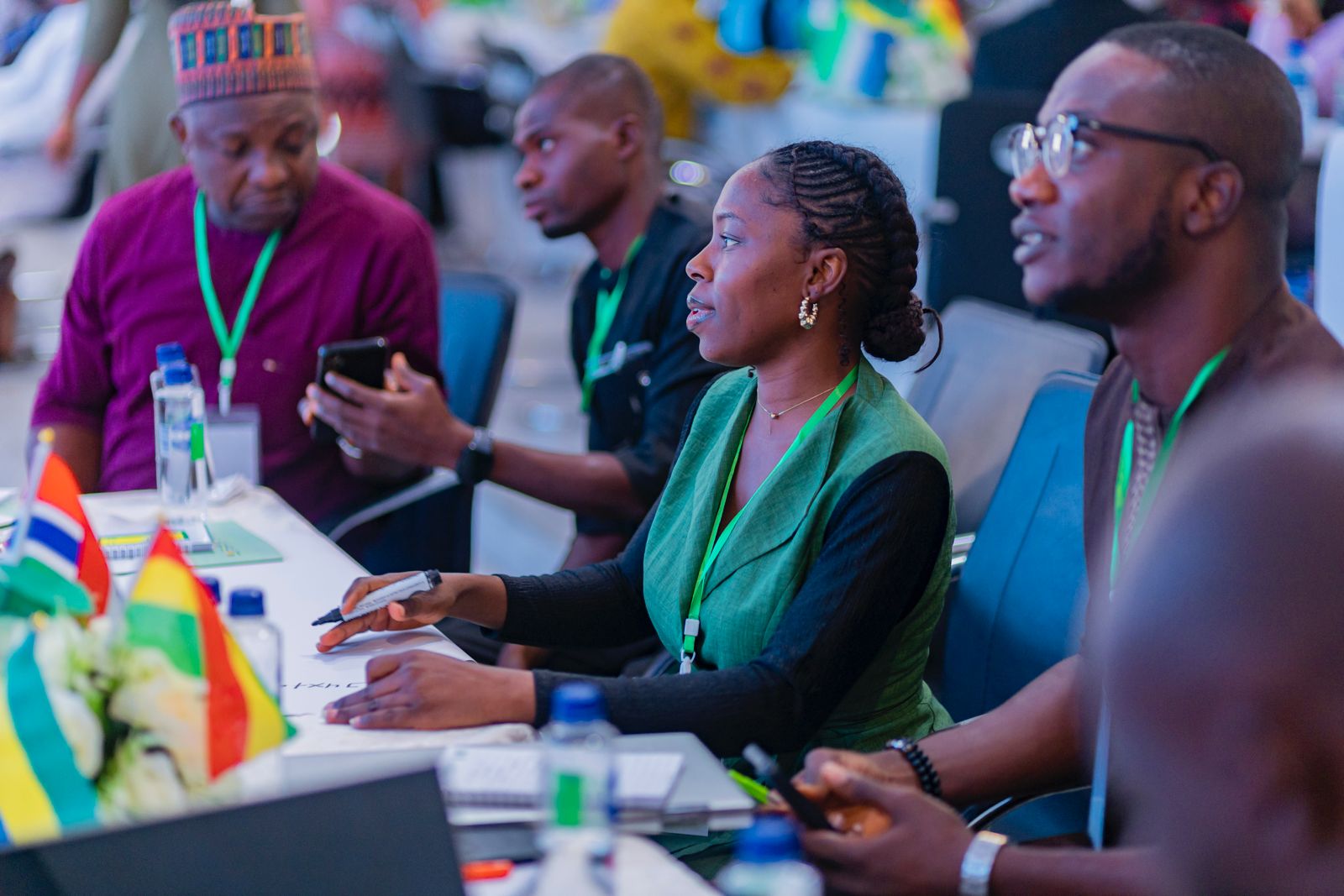
To examine how AI is reshaping OER and what safeguards are needed to ensure quality, equity, and cultural relevance, the Commonwealth of Learning (COL) and the Regional Training and Research Institute for Open and Distance Learning (RETRIDOL), recently co-hosted a regional workshop on Open Educational Resources (OER) Practices in the Age of Artificial Intelligence (AI) at the National Open University of Nigeria (NOUN). The workshop brought together senior academics, Open and Distance Learning (ODL) directors, regulatory officials, and practitioners from across West Africa, including from Nigeria, Ghana, The Gambia, Sierra Leone, Cameroon and Togo.
In her welcome address, RETRIDOL Director, Professor Dorothy Ofoha, framed the workshop as part of the institute’s mandate to strengthen regional capacity for ODL and deepen collaboration across West Africa. Professor Jane-France Agbu, Adviser: Higher Education at COL, similarly highlighted the workshop’s alignment with COL’s organisational commitments to improving educational quality and equity. She emphasised COL’s long-standing leadership in OER and called for strengthened stakeholder capacity and increased collaboration to support new models for OER creation and reuse.
The session kicked off with a status review of OER policies and practices in West Africa that highlighted fragmented policy adoption and uneven implementation of OER in the region. Presenters identified limited infrastructure, funding constraints, and gaps in OER and open licensing literacy as persistent implementation barriers, and participants discussed how awareness of OER terminology and AI tools does not always translate into confident practice. Unclear governance, quality concerns, and ethical risks were also noted as additional barriers to adequate implementation.
Through group work and a practitioner roundtable, participants shared early examples of AI-enhanced OER use. In exploring AI-supported course design, metadata generation, simulations and assessment design, stakeholders collectively agreed that AI should assist, not replace, expert judgement.
While many questions about AI adoption in education remain unanswered, the workshop revealed the need for transparency, expert validation, and localised approaches to reduce bias and strengthen cultural relevance for improved OER adoption in our current AI landscape.
This work builds upon UNESCO’s 2024 Dubai Declaration on Open Educational Resources and reaffirms OER as a digital public good that requires digital accessibility and ethical AI guardrails. It also fulfills The Gaborone Statement’s call for the “ethical leverage of the digital dividend,” and calls upon COL’s partners in West Africa, and across the Commonwealth to develop stronger OER policies and regulate responsible AI use.