

By Gopesh Tewari, Adviser: Skills, COL
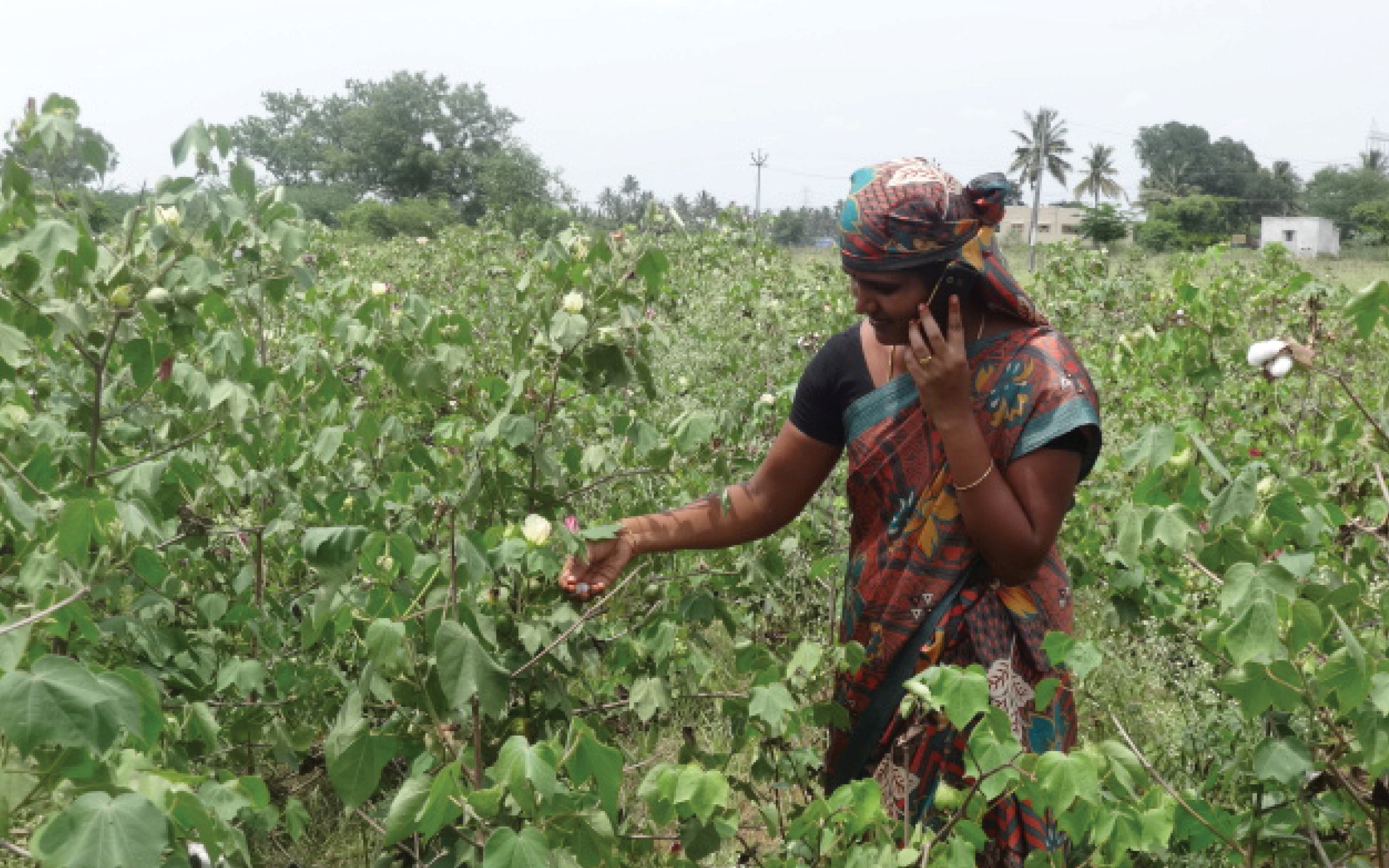
In a giant exhibition hall in Shanghai, a young competitor flies a drone against the clock while judges watch every move. Thousands of kilometres away, in a small village in Kenya, a young woman farmer checks her mobile phone for advice on how to protect her crops from pests. While these scenarios reflect two very different realities, they both highlight the growing importance of skills in a rapidly changing world.
The 48th WorldSkills Competition, held in Shanghai, in September 2026, brought together more than 1,400 young competitors from 68 countries and regions to compete in 64 skills across a wide range of industries and technical fields. As the world’s largest youth skills competition, the event emphasised cultivating future-ready skills, with seven new skills making their debut, including drones, renewable energy, water technology and robot systems integration.
Held alongside the competition, the WorldSkills Conference, a global policy summit on skills, focused on two pressing themes: AI and green skills. Sessions such as “Ready or not? AI’s real impact on tomorrow’s workforce”, “AI, skills, and the future of TVET” and “AI-powered skills assessment” explored not just what AI can do, but how it can be used to train, assess and certify skills. Green skills sessions, including “TVET and the green transition” and “TVET as driver of progress: Green and digital skills”, made the case for green skilling and its importance for young people, jobs, communities and the planet.
Beyond the competition
Behind the medals and applause at the WorldSkills events lies a harder and more complex challenge. With World Bank projections estimating that 1.2 billion young people in developing countries will reach working age over the next 10 to 15 years, while only about 400 million jobs are expected to be created across these economies, the resulting employment gap could reach roughly 800 million.
Against this backdrop, the World Bank has identified five sectors that consistently generate jobs at scale in developing countries: infrastructure and energy, primary healthcare, tourism, value-added manufacturing and agribusiness. These sectors are hands-on and rely heavily on human skills that are difficult to replace through automation and disruptive technologies.
As the skills gap intensifies, the Commonwealth of Learning (COL) is working with Commonwealth governments, along with civil society and institutions to help people develop skills that can translate into livelihoods, economic opportunity and greater national resilience.
Agriculture and agribusiness are an important part of this effort. Through initiatives such as Skills for Work, employability projects, and the earlier Lifelong Learning for Farmers (L3F) programme, COL has long focused on helping youth, women and farmers pursue gainful and dignified employment and self-employment opportunities.
For nearly two decades, COL’s L3F initiative was built on a simple idea that farmers need three kinds of capital at the same time: knowledge and skills as human capital, farmer groups as social capital, and access to credit as financial capital. The project brought all three together through mobile phones, open and distance learning, open skilling and farmer collectives, reaching more than 600,000 farmers along the way.
Building on the lessons and experience of L3F, COL is now developing a three-pronged approach to agricultural green skilling and learning. First, it is working at the institutional and ecosystem level to better align policies and frameworks between agriculture and TVET more coherently. Second, it is strengthening the capacities of agricultural knowledge intermediaries, including the extension workers, trainers and institutions that carry knowledge and skills to farmers and fishers. Third, it works directly with youth and farmers through selected interventions at the intersection of future skills, green skilling and sustainable livelihoods.
Preparing for the skills of tomorrow
Skills will not look the same in the future. They are changing quickly, and the labour market and global economic landscape are changing with them. A World Bank report notes how the steam engine took about 80 years to reach lower-income countries, electricity 40 years and the internet 20 years. Yet middle-income countries accounted for half of ChatGPT’s global traffic within just six months of its launch.
This pace of change makes it increasingly important to prepare people not only for today’s jobs, but also for emerging technologies, industries, and opportunities. For COL, this means helping youth and communities across its member countries develop future-ready skills, including those needed for agriculture and the green and blue bioeconomies.
Looking ahead, COL is shaping its Future Skills interventions around a simple idea: helping member countries anticipate the skills their economies will need tomorrow and preparing youth, women, farmers and fishers for them today. This includes skills for climate-smart agriculture and green and blue economy jobs, as well as the practical use of AI in learning and work. COL is also exploring frugal, multilingual AI tools for learning, so that a young person in a remote community can access relevant learning in her own language, using the phone she already has.
The next skills revolution will not be judged only in exhibition halls. It will also be judged in local markets, towns, fields and villages, and on the mobile phone of that young woman farmer.