

By Dr Jako Olivier, Adviser: Higher Education, COL
A learner who obtains a micro-credential should gain more than a digital badge. The learning should be trusted, recognised, and able to open doors to further study, employment, or professional advancement. Yet without a national framework, even high-quality micro-credentials can remain trapped within institutional silos.
Post-secondary institutions often use micro-credentials to respond to local skills gaps, certify short courses, or help employers recognise specific competencies. However, when each institution or platform relies on its own approach, learners can struggle to transfer their credential to another provider, stack it towards a larger qualification, or convince employers of its value.
To genuinely support lifelong learning at scale, micro-credentials need a shared language and a cohesive system with common approaches to recognition, workload, learning outcomes, assessment, issuing authority, verification, credit transfer, quality assurance, and data protection. Without these elements, micro-credentials risk becoming a marketplace of uneven claims across multiple platforms rather than a trusted public pathway to new educational opportunities. This matters especially for disadvantaged learners. When learners invest time and money in education, their learning should reduce barriers, not add uncertainty about the value of their achievement.
Experiences across the Commonwealth show that effective national regulation, combined with appropriate support, can turn micro-credential experimentation into public value. Australia’s national approach has emphasised consistency, transparency, and portability, while New Zealand has incorporated micro-credentials into its qualifications framework.
Regional consultations by COL determine that countries need clearer definitions, credit transfer arrangements, quality assurance mechanisms, and trusted digital infrastructure. COL’s Commonwealth Micro-credential Framework for Lifelong Learning responds to this need by shifting the conversation from simply creating more micro-credentials to building credible lifelong learning systems. The resource guides policymakers, education providers, quality assurance bodies, and technology partners in developing micro-credential systems that are recognised, portable, inclusive, and quality assured.
COL does not export a single model across all contexts. Instead, as an intergovernmental organisation mandated to expand access through open, distance, and technology-enabled learning, COL supports countries to develop solutions that are nationally owned and contextually relevant. We convene ministries, qualification authorities, quality assurance agencies, institutions, and industry to address shared challenges in micro-credential development and recognition.
Sri Lanka illustrates the practical promise of this approach. Following COL’s Asian regional engagement with senior representatives from Commonwealth countries in Asia, Sri Lanka identified the need for a national policy on Micro-credentials and a Credit Transfer Framework. These measures aim to strengthen higher education and Technical and Vocational Education and Training, while improving the international comparability and recognition of Sri Lankan qualifications.
In April 2026, the Sri Lankan Cabinet approved an agreement between the Ministry of Education, Higher Education and Vocational Education and COL to develop and implement the national framework with COL’s support. The work builds on a national baseline study and extensive stakeholder consultations, ensuring that the framework responds to Sri Lanka’s own priorities and reform agenda.
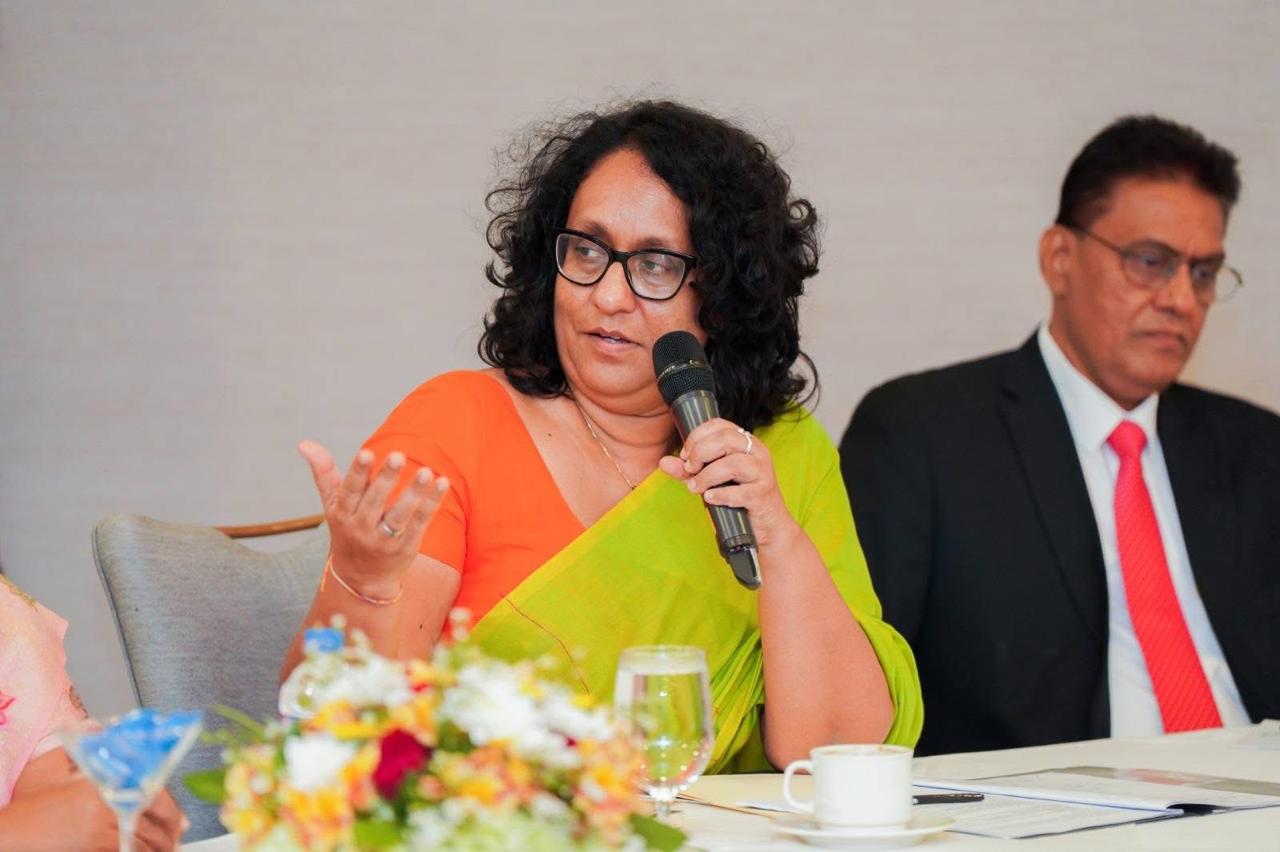
As part of this process, a two-day framework development session brought together regulators, academic leaders, and training-sector representatives to examine the practical issues that will shape implementation. Participants explored credit alignment, stackability, recognition of prior learning, quality assurance, digital registries, local-language provision, and employer recognition, with discussions moving the framework from policy intent towards an implementation pathway that can support learners, institutions, and employers.
The Honourable Dr Harini Amarasuriya, Prime Minister and Minister of Education, Higher Education and Vocational Education, Sri Lanka, and COL Board Member, attended the national stakeholder engagement meeting and offered thoughtful engagement and leadership. Her active participation reflected a strong commitment to Sri Lanka’s education reforms and reinforced the important role that micro-credentials can play in strengthening lifelong learning, enhancing employability, and creating more flexible learning pathways.
Sri Lanka’s emerging framework draws its strength from national endorsement, evidence-informed planning, stakeholder engagement, and a resourced partnership. The framework’s value will now depend on how effectively it is implemented. With sustained commitment, it will support learners across Sri Lanka and provide a relevant example for other Commonwealth countries seeking to make micro-credentials trusted, inclusive, and portable.