

Work should offer more than income; it should open pathways to dignity, equality, and opportunity. This is why the Commonwealth of Learning (COL) is supporting Technical and Vocational Education and Training (TVET) institutions to strengthen technology-enabled skilling for work while mainstreaming gender equality. By linking quality skills development with inclusion, these efforts contribute to decent work and progress toward the UN Sustainable Development Goals.
As part of this effort, COL is supporting Pathways to Prosperity, an Open TVET project in Zanzibar, Tanzania. Implemented by the Zanzibar Economic Empowerment Agency (ZEEA) through an ecosystem approach, the project brings together regulators through the Vocational Training Authority; institution-based providers, including the State University of Zanzibar, Zanzibar University, and the Karume Institute of Science and Technology; and community-based providers, including the Mwanamke Initiative Foundation and the Milele Foundation.
Juma Burhan Mohamed, Executive Director of ZEEA, says the project aims to empower 70,000 youth through employment and self-employment opportunities. The project’s design includes mainstreaming gender across TVET providers to address persistent inequities in access that perpetuate wider social and economic inequalities.
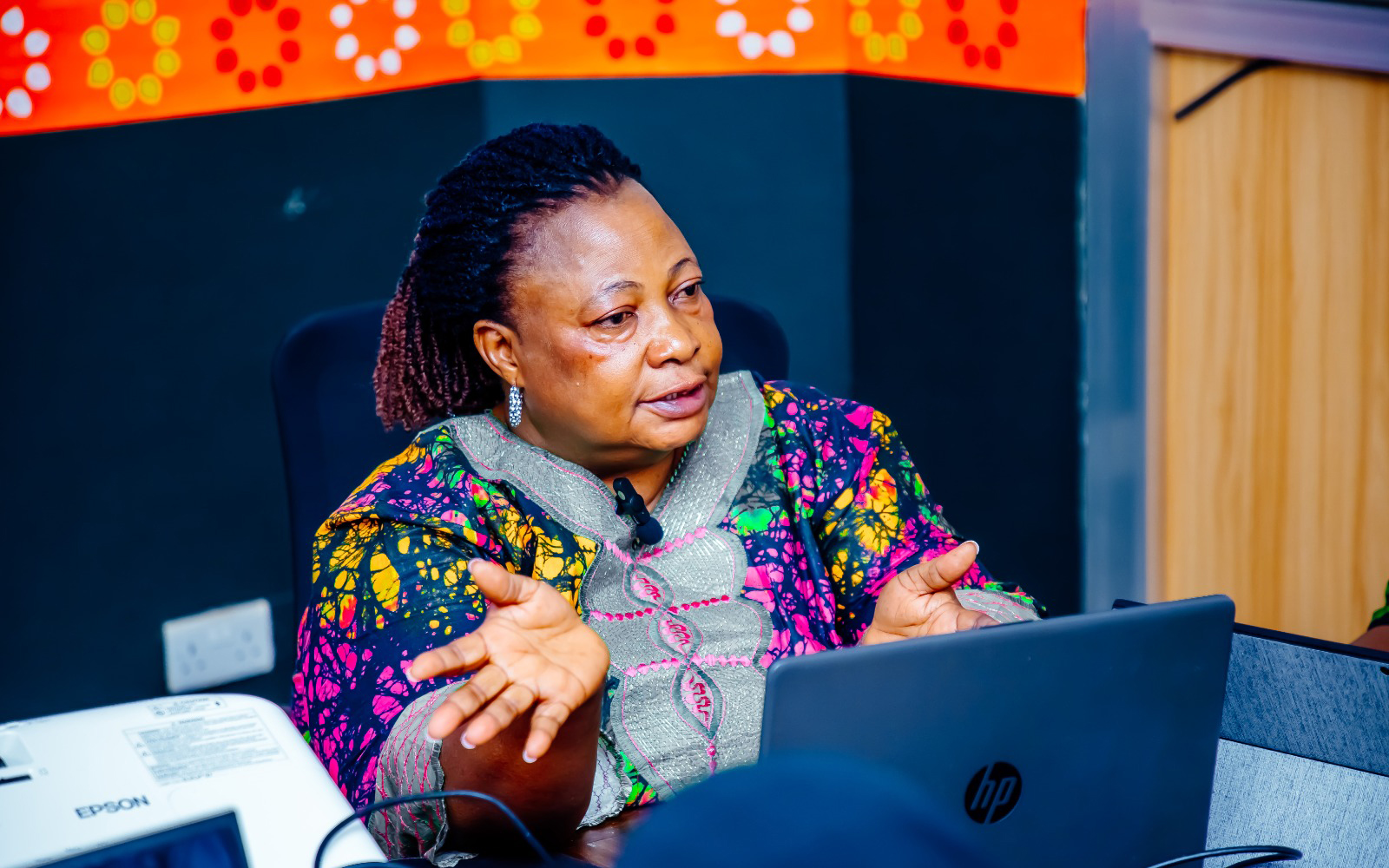
With mentoring support from Professor Tabitha Mulyampiti of Makerere University in Uganda, who also serves as COL’s consultant in Tanzania, five gender audits were completed at three institutions and two community-based providers. These audits, validated during the inaugural session in April 2026, identified gaps and barriers to equitable access, retention, completion, and progression — establishing a baseline for mainstreaming gender in TVET institutions.
Leaning into these gaps, participating project partners developed roadmaps for institutional interventions to integrate gender into their Open TVET practices. They also established targets and indicators to monitor progress and developed co-ordination mechanisms to ensure consistent and scalable implementation. Rather than merely adding women to existing systems, the proposed interventions include detailed considerations on the needs of women, men, and other marginalised groups.
The session also led to the development of five institutional Gender Audit Frameworks and five Institutional Gender Roadmaps. According to Zainab Daud, a Business Development Officer co-ordinating the project on behalf of ZEEA, the session raised institutional awareness, strengthened partnerships between academia and civil society, and outlined clear next steps for capacity-building, co-ordinated implementation, and piloting of gender-responsive practices.
Robert Okinda, Adviser: Skills, COL, highlighted the project’s strong alignment with labour market needs. “Employing varied models of learning and delivery to strengthen labour market participation and skills matching, the project seeks to map current initiatives to mainstream gender across lifelong, life-wide, and life-deep skills development, ultimately improving the quality and effectiveness of TVET systems.”
These efforts will promote social inclusion and poverty reduction, in line with national and international commitments, he added.
The design of the Pathways to Prosperity project in Zanzibar incorporates gender mainstreaming in line with COL’s Gender Strategy (2025) and offers separate guidelines for conducting audits and developing roadmaps. By linking equity with quality, the project is poised to transform learners’ lives and reshape the world of work by expanding access to opportunity, strengthening pathways to employment and self-employment, and fostering a more inclusive, job-ready workforce.