01Talking point
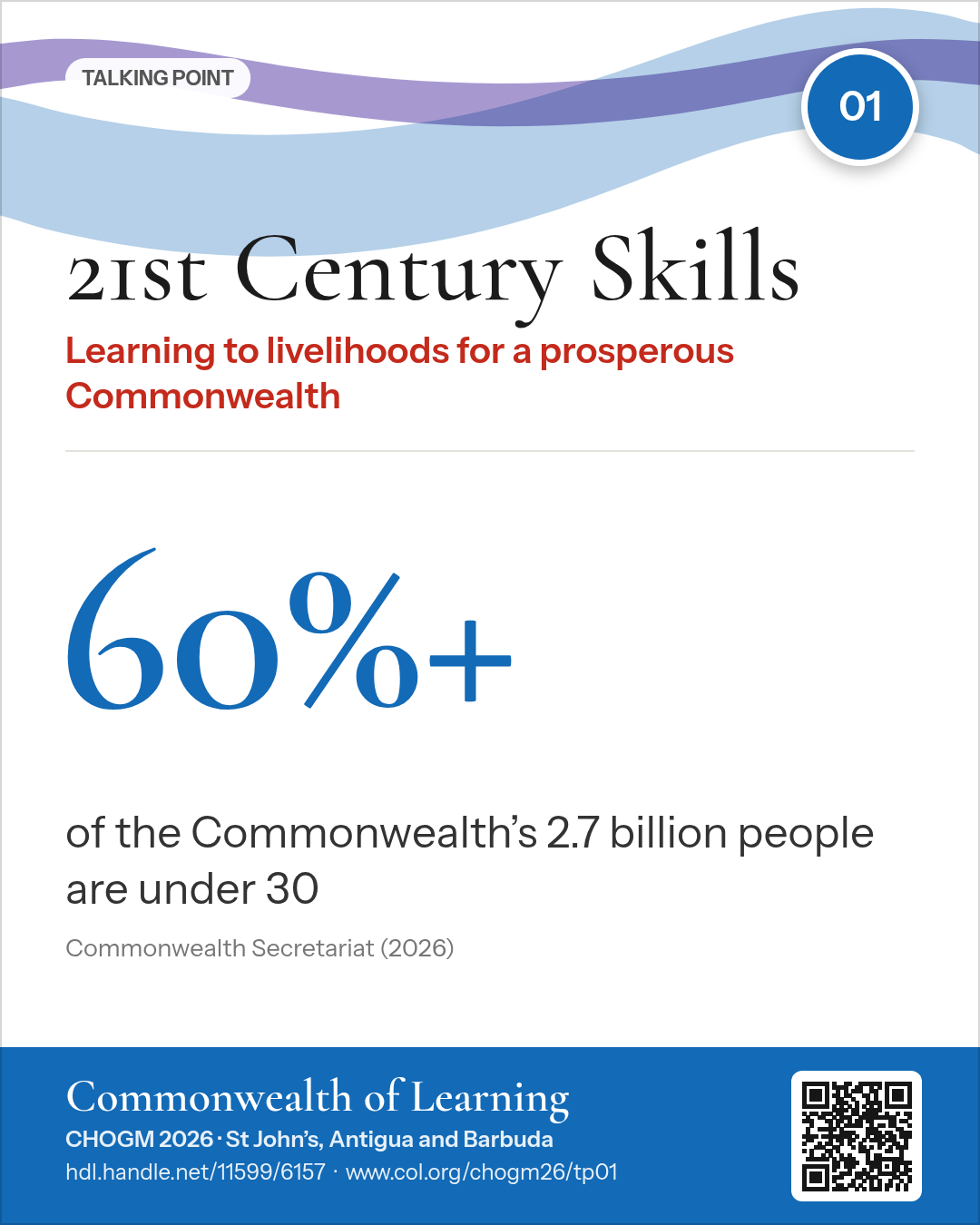
21st Century Skills
Learning to livelihoods for a prosperous Commonwealth
60%+
of the Commonwealth’s 2.7 billion people are under 30
Commonwealth Secretariat (2026)
Open →

Cover image: COL uses only real images of its recent work. Here a COL expert joins women in Machinjiri village, Malawi, in September 2025, with partner Concerned Youth Organisation (CYO), as COL’s APTUS frugal off-grid server delivers training to learners’ phones for hands-on skills.

To support the Commonwealth Heads of Government Meeting in St John’s, Antigua and Barbuda (CHOGM 2026) under the theme Accelerating Partnerships and Investment for a Prosperous Commonwealth, the Commonwealth of Learning proposes 15 talking points for consideration, with 12 concrete opportunities to act.
Building upon the mandate from Heads at CHOGM 2024 and the Gaborone Statement on Open Education from the 11th Pan-Commonwealth Forum (2025), COL continues to act and work with governments to seize these opportunities. As COL completes the Strategy 2021–2027 and readies for 2027+, we continue to listen and act.
Practical actions for systems to skills
Changing learning systems
Learning to livelihoods for a prosperous Commonwealth
of the Commonwealth’s 2.7 billion people are under 30
Commonwealth Secretariat (2026)
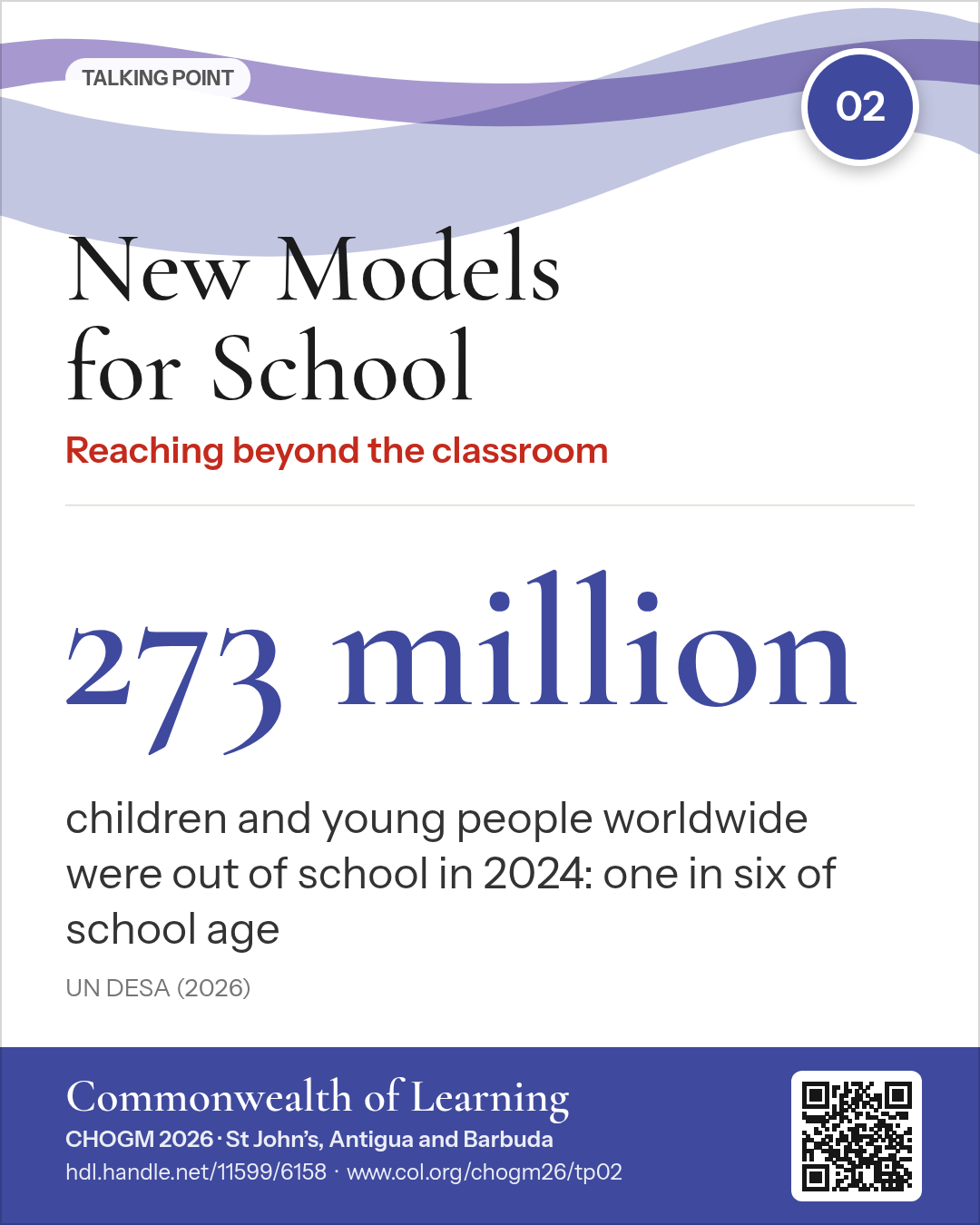
Reaching beyond the classroom
children and young people worldwide were out of school in 2024: one in six of school age
UN DESA (2026)
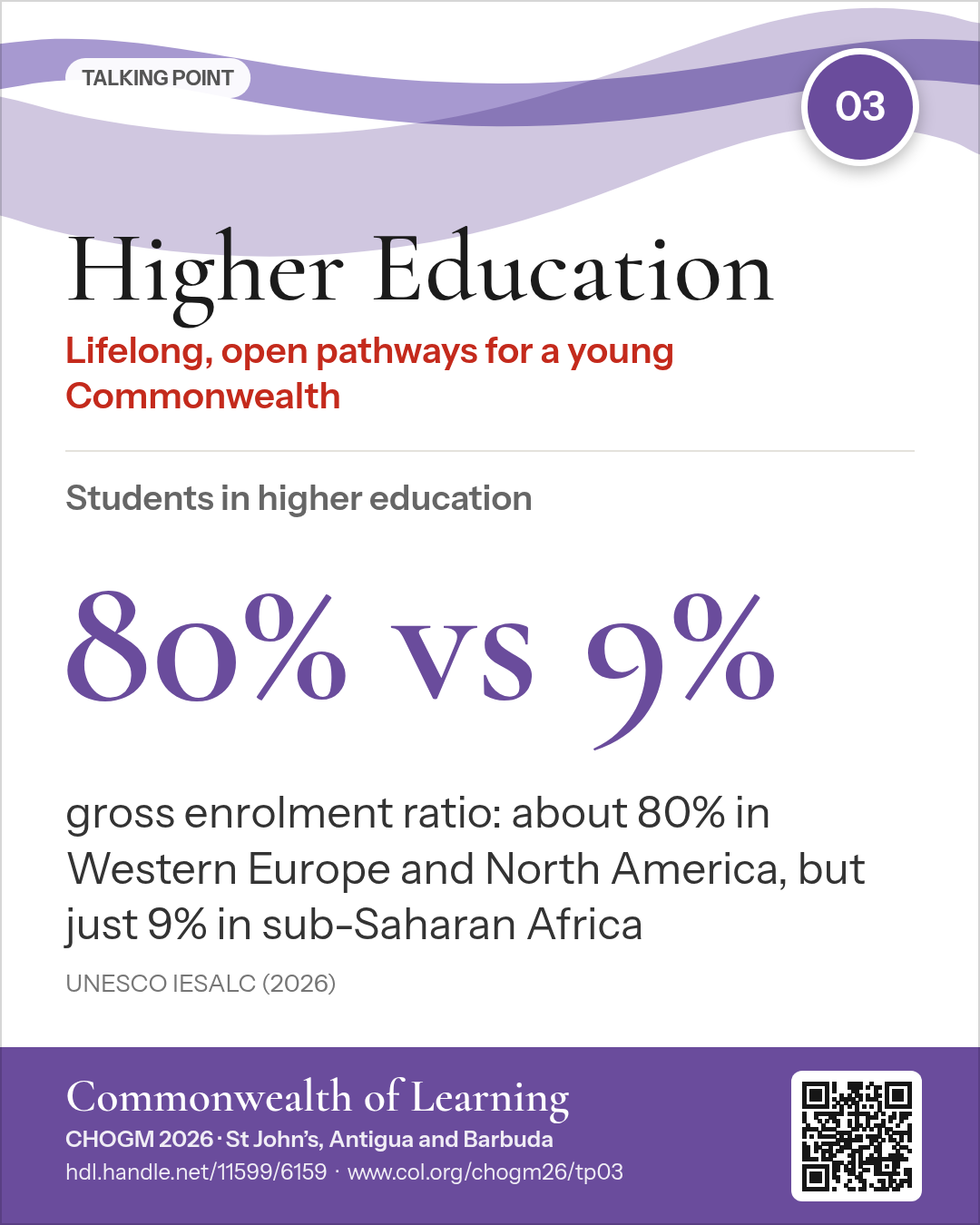
Lifelong, open pathways for a young Commonwealth
gross enrolment ratio: about 80% in Western Europe and North America, but just 9% in sub-Saharan Africa
UNESCO IESALC (2026)
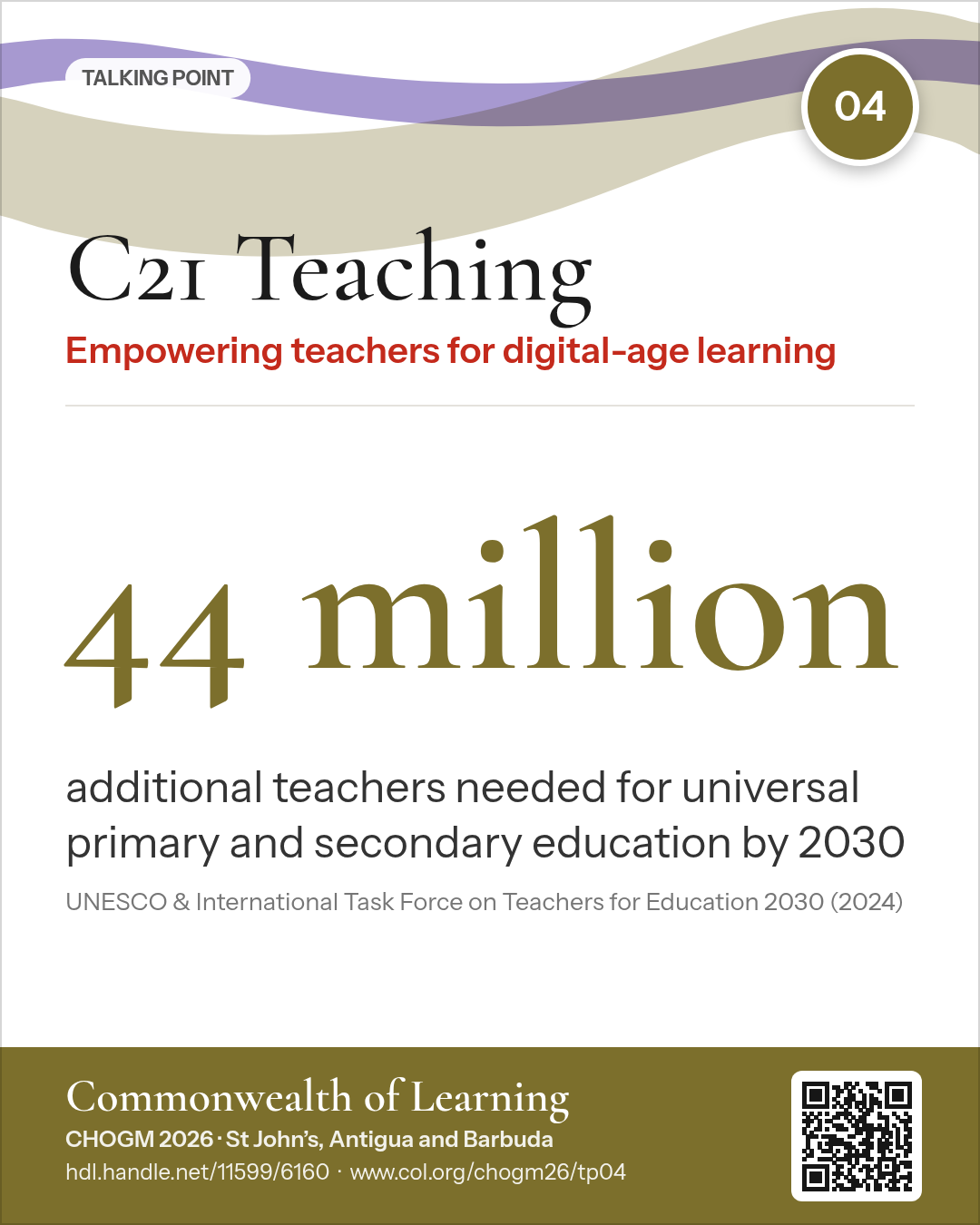
Empowering teachers for digital-age learning
additional teachers needed for universal primary and secondary education by 2030
UNESCO & International Task Force on Teachers for Education 2030 (2024)
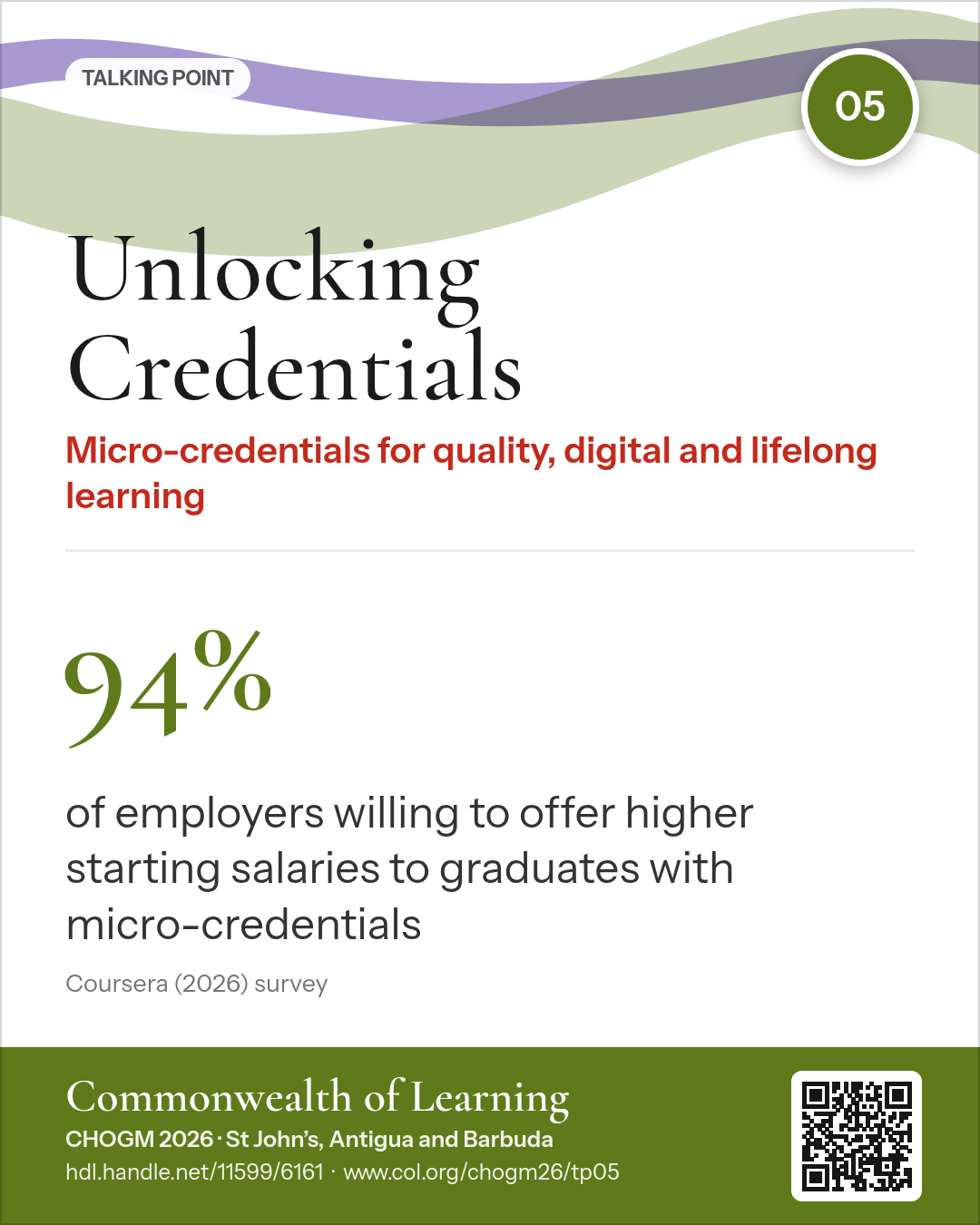
Micro-credentials for quality, digital and lifelong learning
of employers willing to offer higher starting salaries to graduates with micro-credentials
Coursera (2026) survey
Create skills for livelihoods
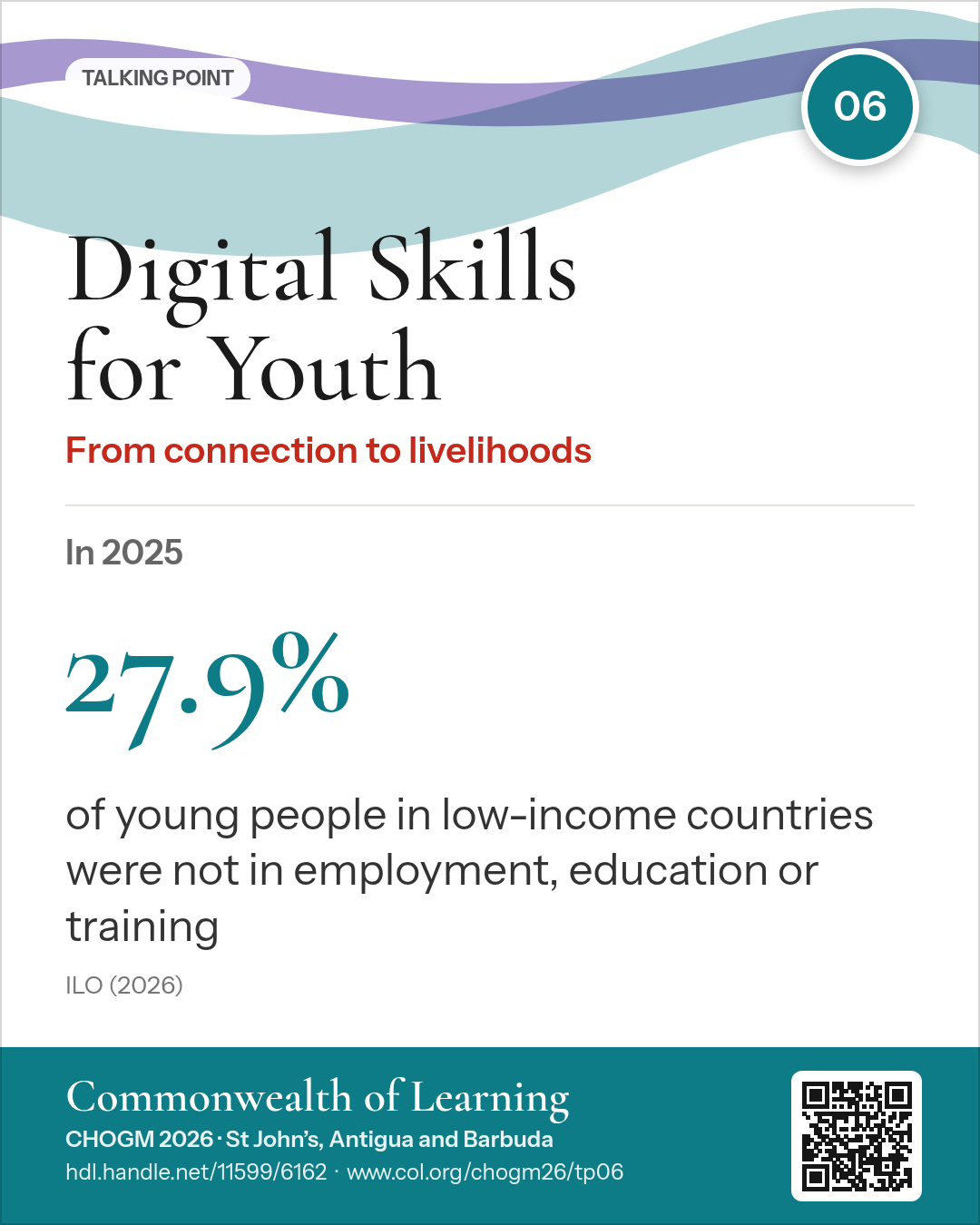
From connection to livelihoods
of young people in low-income countries were not in employment, education or training
ILO (2026)
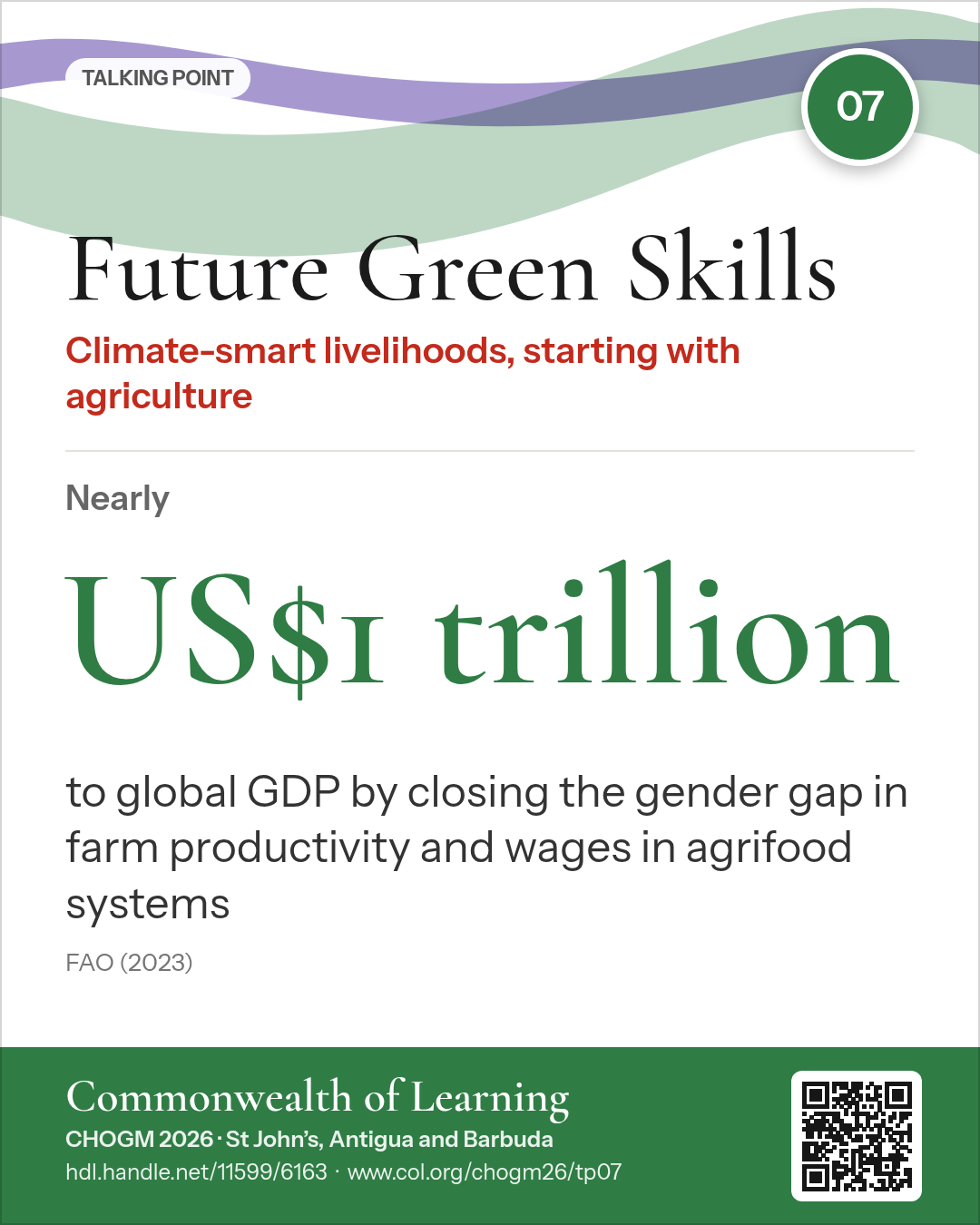
Climate-smart livelihoods, starting with agriculture
to global GDP by closing the gender gap in farm productivity and wages in agrifood systems
FAO (2023)
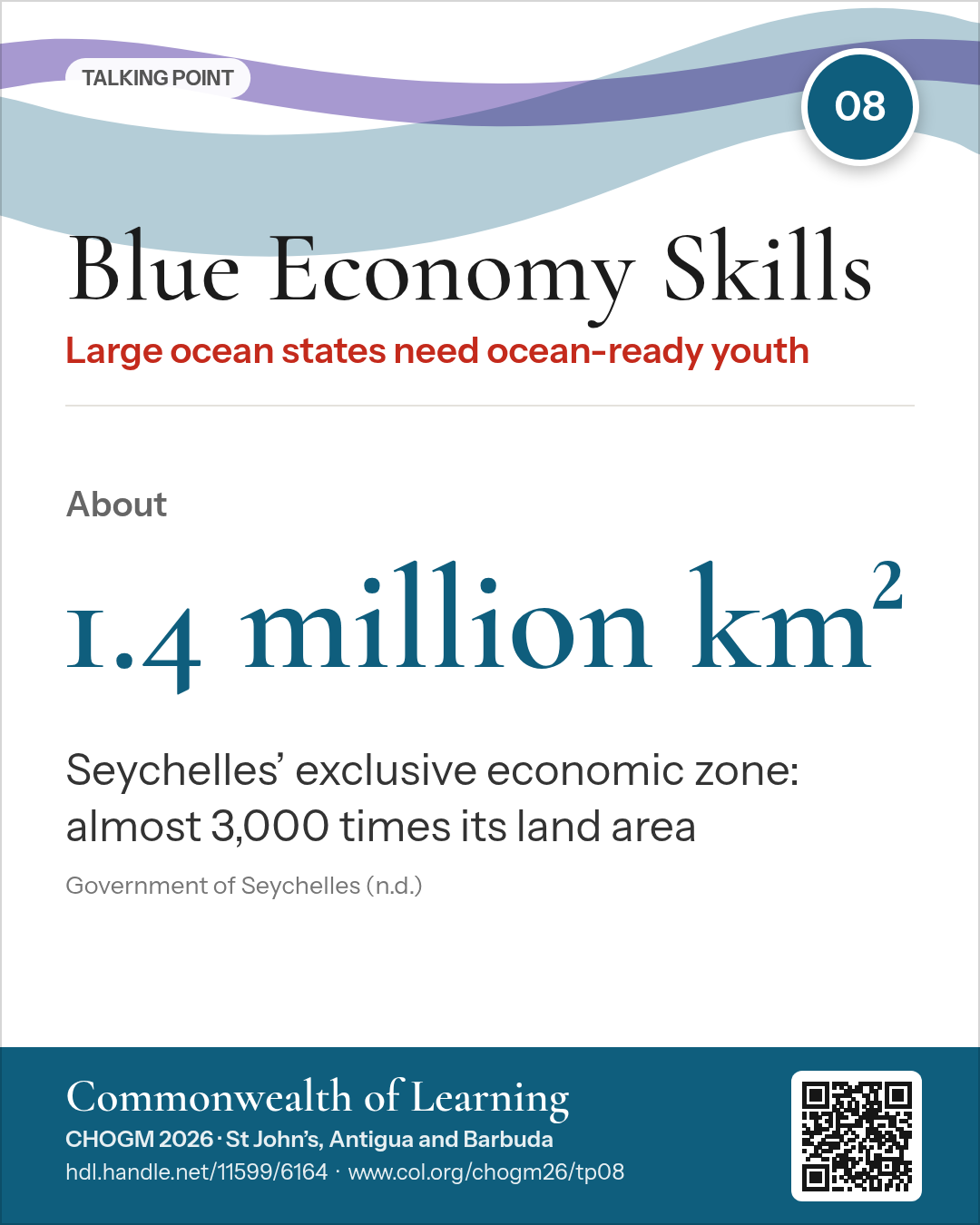
Large ocean states need ocean-ready youth
Seychelles’ exclusive economic zone: almost 3,000 times its land area
Government of Seychelles (n.d.)
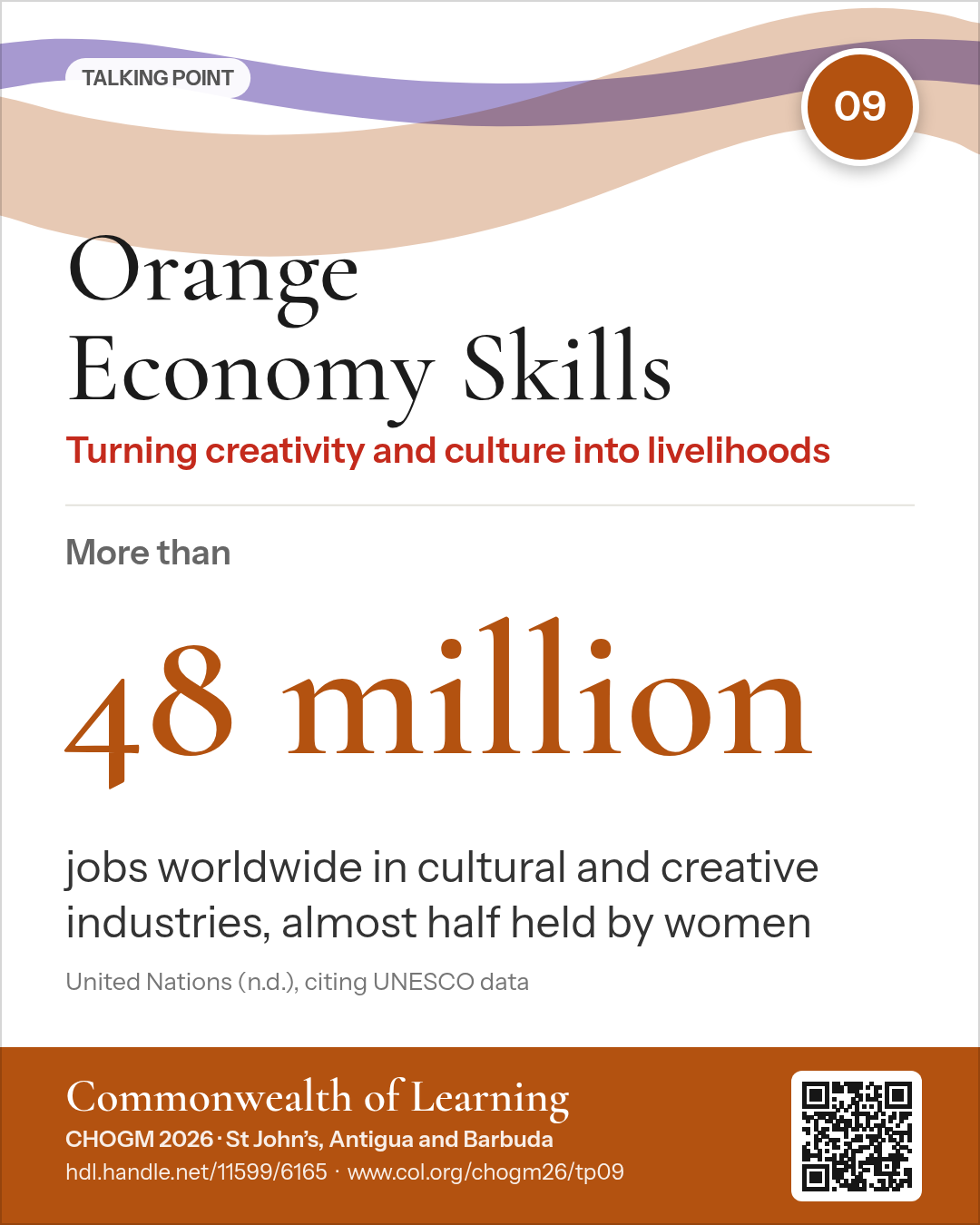
Turning creativity and culture into livelihoods
jobs worldwide in cultural and creative industries, almost half held by women
United Nations (n.d.), citing UNESCO data
Transform and connect in synergy
Transform with technology
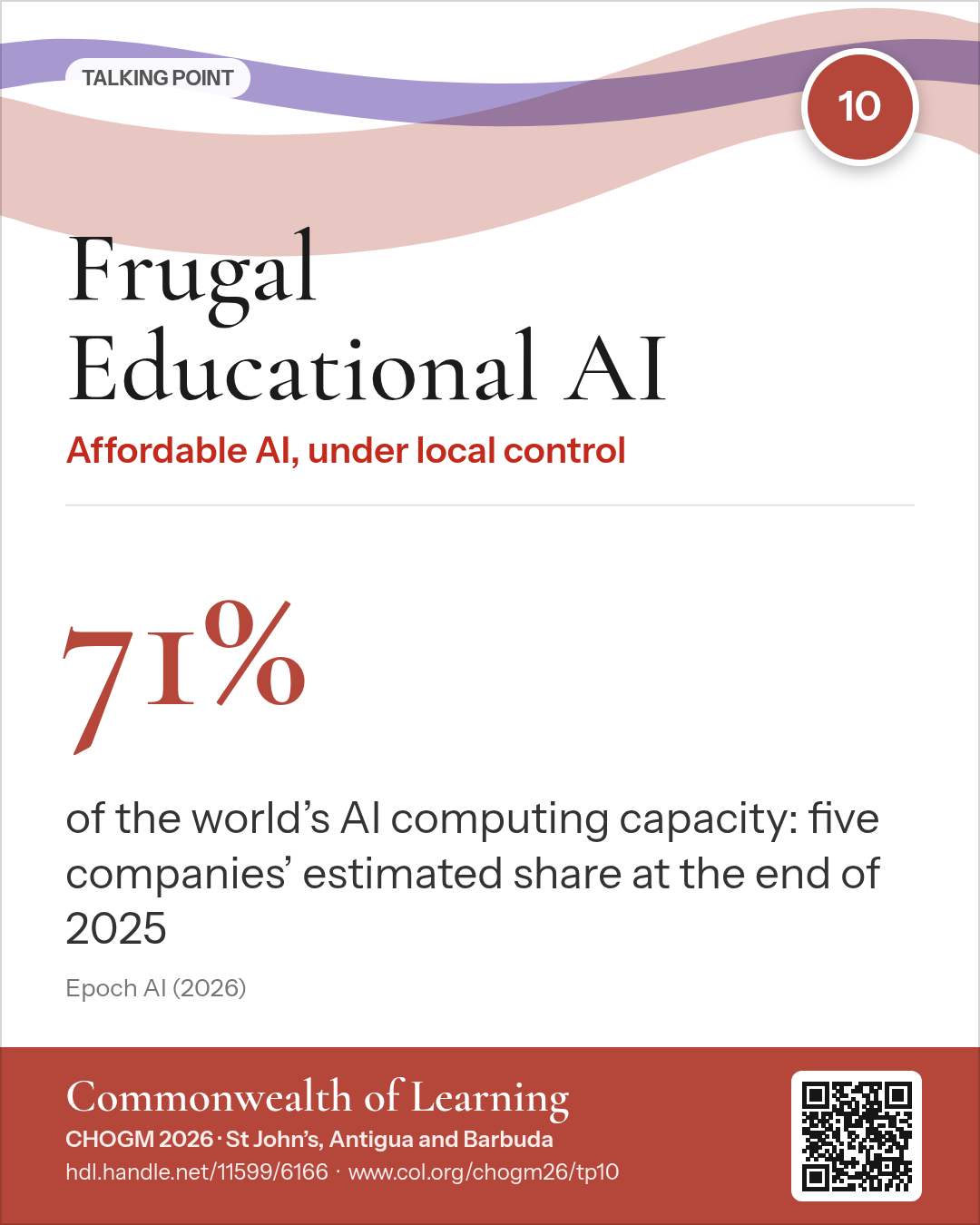
Affordable AI, under local control
of the world’s AI computing capacity: five companies’ estimated share at the end of 2025
Epoch AI (2026)
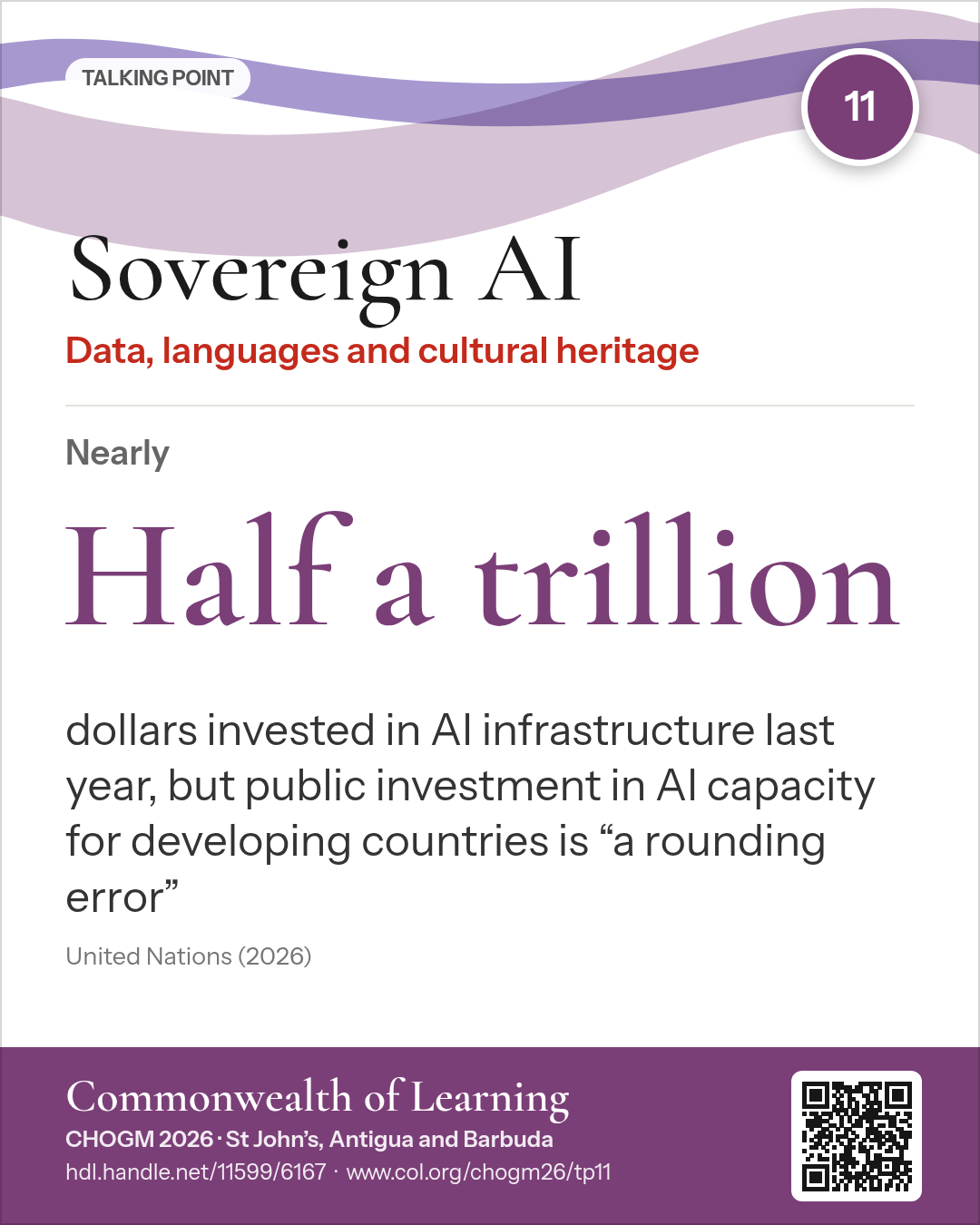
Data, languages and cultural heritage
dollars invested in AI infrastructure last year, but public investment in AI capacity for developing countries is “a rounding error”
United Nations (2026)
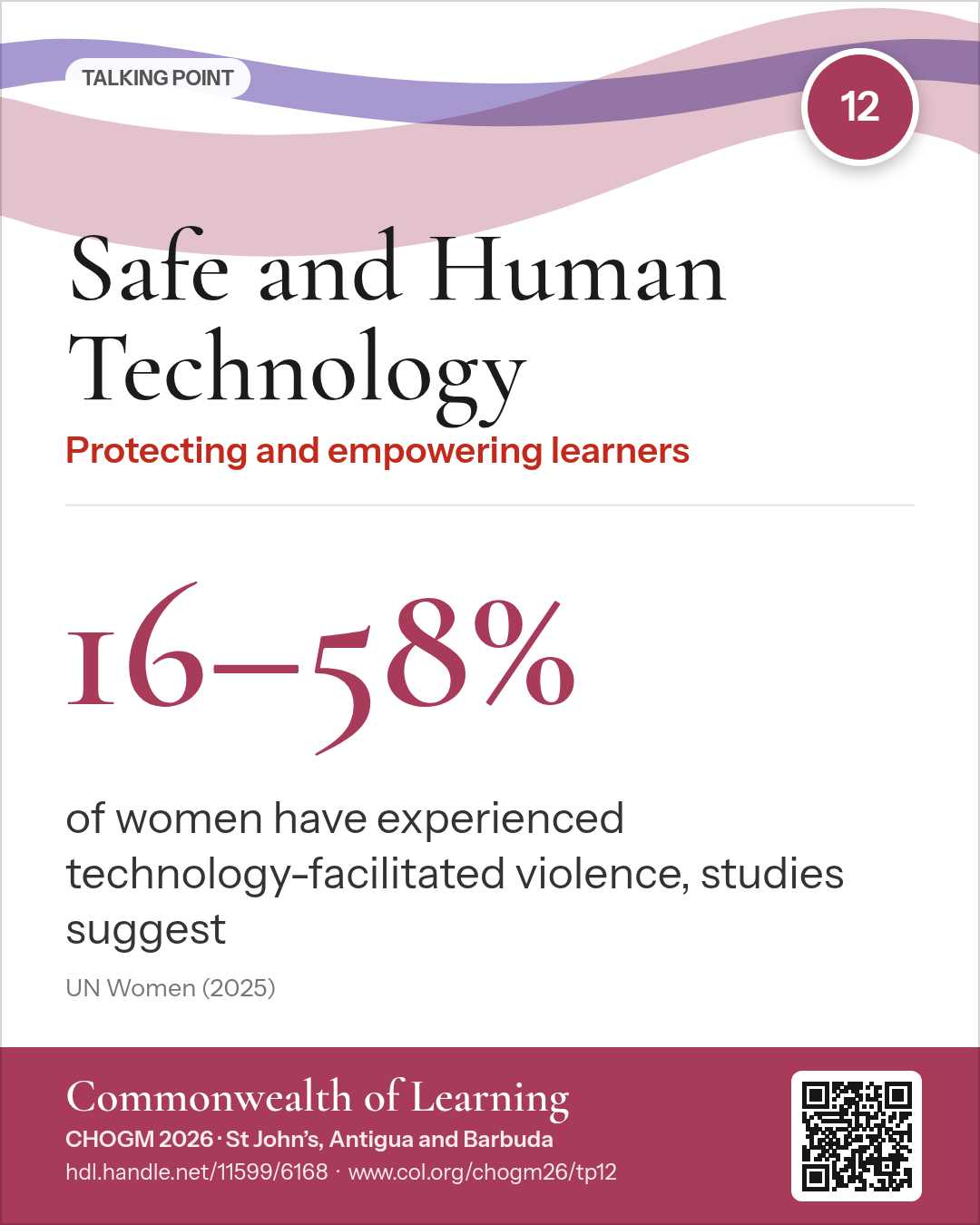
Protecting and empowering learners
of women have experienced technology-facilitated violence, studies suggest
UN Women (2025)
Critical connectors
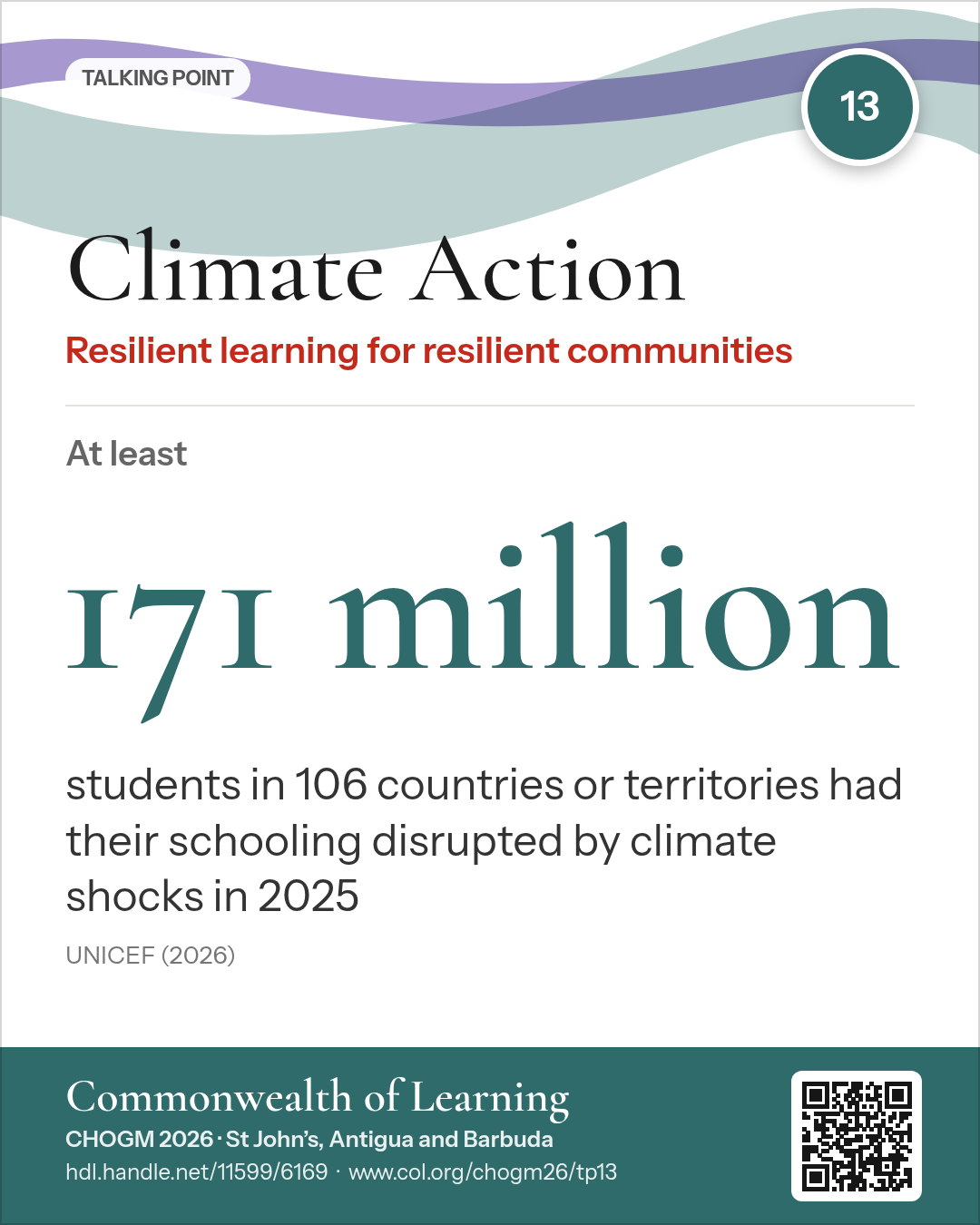
Resilient learning for resilient communities
students in 106 countries or territories had their schooling disrupted by climate shocks in 2025
UNICEF (2026)
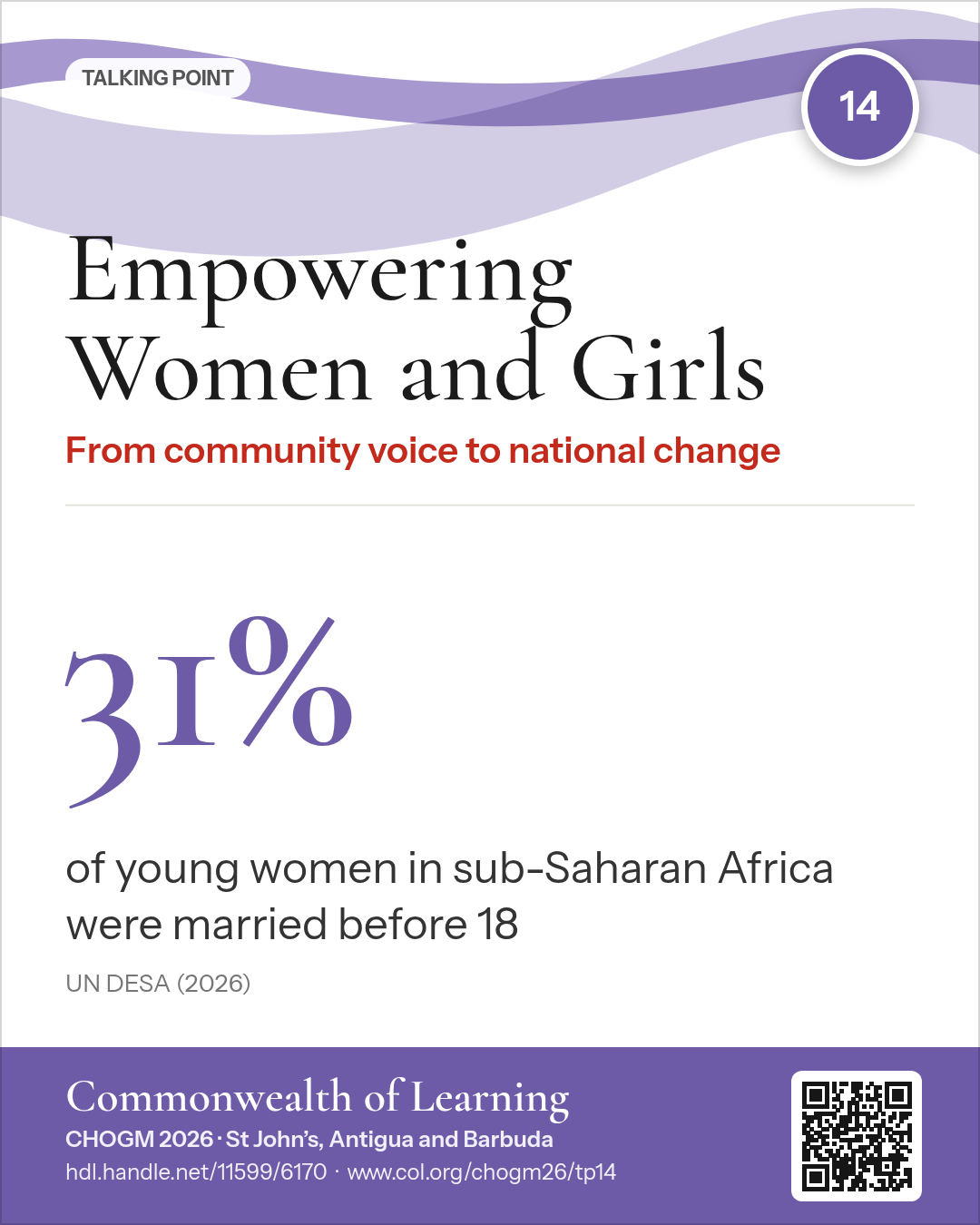
From community voice to national change
of young women in sub-Saharan Africa were married before 18
UN DESA (2026)
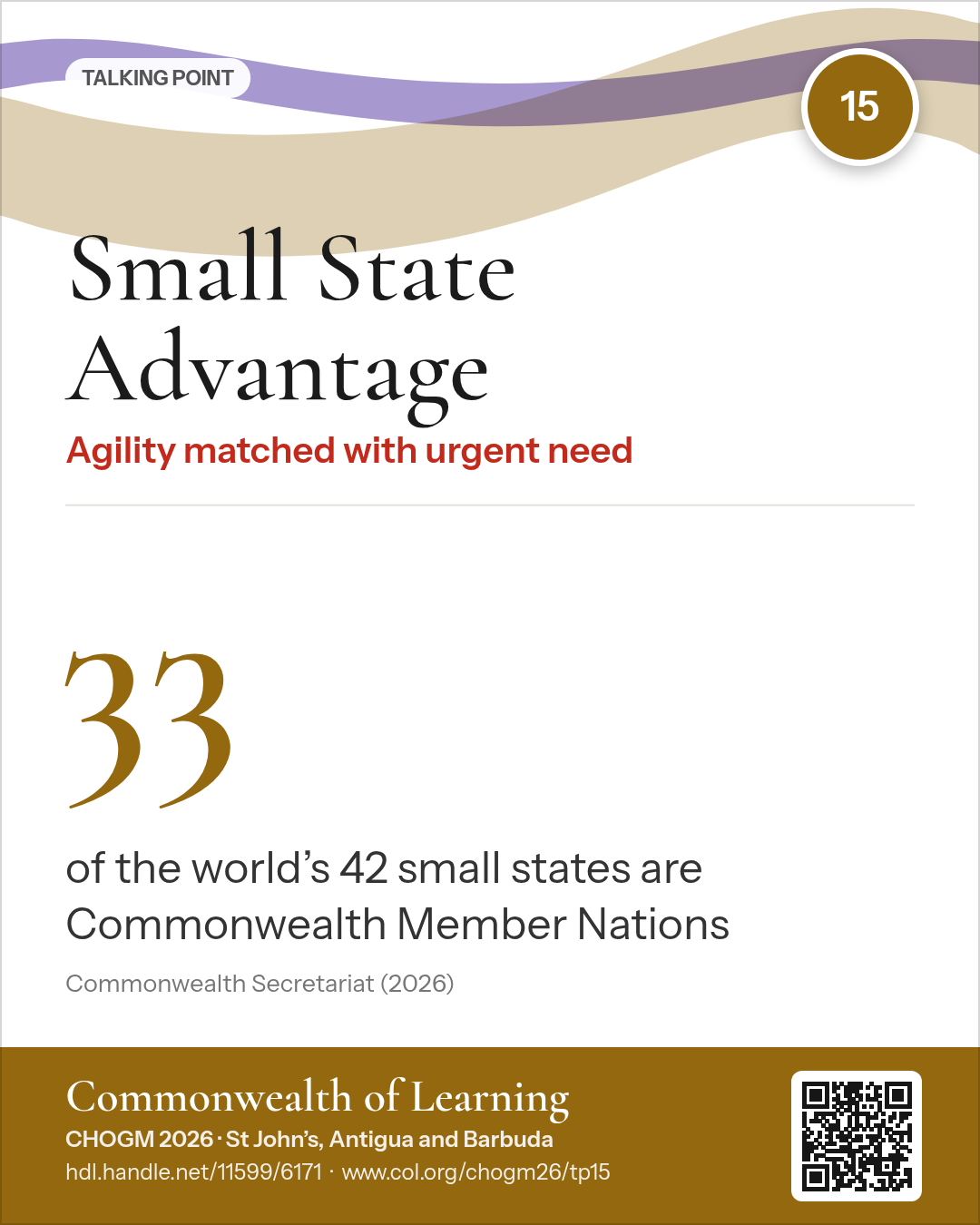
Agility matched with urgent need
of the world’s 42 small states are Commonwealth Member Nations
Commonwealth Secretariat (2026)
Places of impact
On most maps, small states vanish. Here each Member Nation is one equal tile. Light them up to see the evidence which is cited from each Member Nation, by each strategic talking point.
From the newsroom
A sample of 48 stories from the Commonwealth of Learning news, each tagged to illustrate the strategic talking points it highlights. Dive into each on col.org.
Trinidad and Tobago's VerifyTT, built on the open-source Inji stack, verifies credentials in seconds, and NESC Technical Institute plans to adopt it for its micro-credentials.
“Credentials, including micro-credentials, are here to stay, and it is important to have mechanisms that allow all, including certificate-awarding institutions and employers, to verify these credentials, easily, quickly, and credibly.”
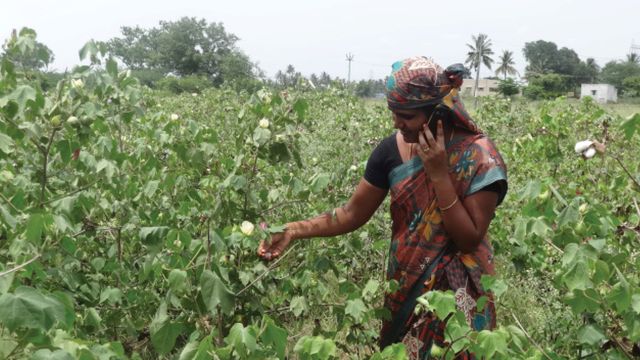
Building on Lifelong Learning for Farmers, COL is developing a three-pronged approach to agricultural green skilling and is exploring frugal, multilingual AI tools for learning.
“Looking ahead, COL is shaping its Future Skills interventions around a simple idea: helping member countries anticipate the skills their economies will need tomorrow and preparing youth, women, farmers and fishers for them today.”
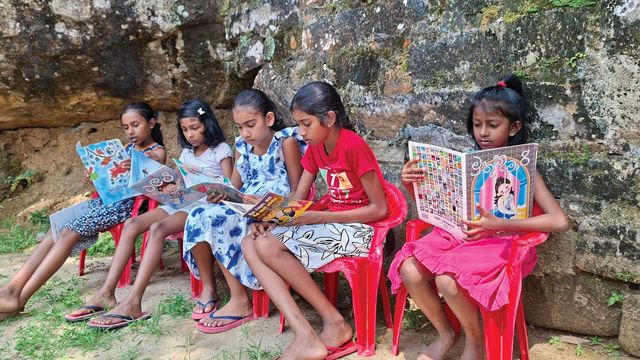
After more than 10 years of work by COL and partners, three Child Marriage Restraint Bills passed in Pakistan, while COL's EWG project engages men and boys, community leaders and women's rights organisations.
“Over the past three years, EWG has reached more than 465,000 women and girls through awareness-raising activities on human rights, legal protections and personal agency.”
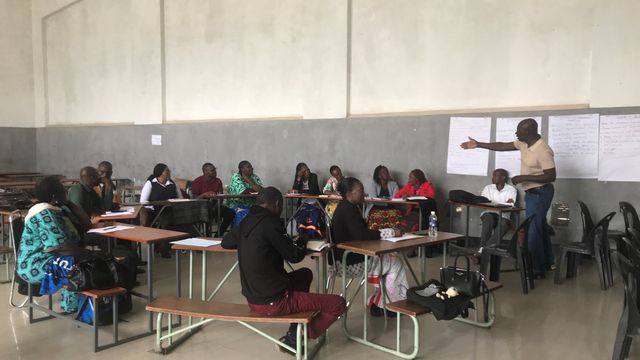
COL's ODL business-model approach has supported Botswana Open University's College of Open Schooling, a proposed Open University of Ghana whose model was approved in June 2026, and Zambia's ZACODE.
“Following subsequent capacity-building workshops with implementing staff, the new model is now being rolled out in eight districts in Copperbelt Province and one district in North-Western Province.”
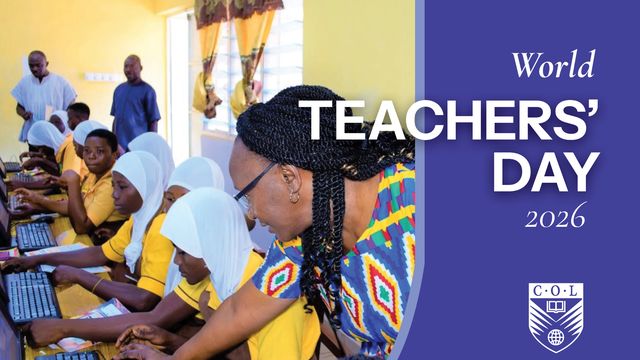
COL supports teachers through AI for Teacher Education, Teacher-in-the-Loop AI, STEAM virtual labs with AFTRA and other partners, and micro-credentials guided by its Commonwealth Micro-credential Framework for Lifelong Learning.
“Micro-credentials offer one way to do this, providing more flexible and transparent pathways for lifelong learning.”
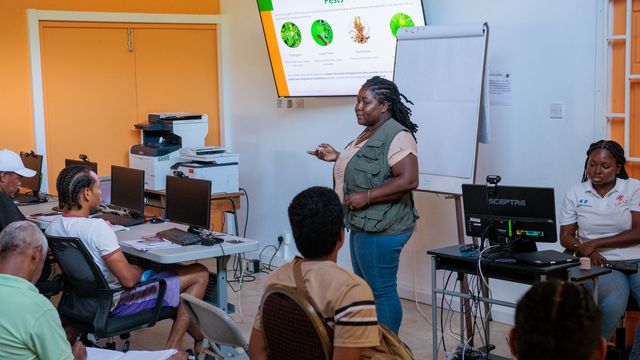
COL helps small states build resilience through skills for the green, blue and orange economies: a Farmer Field School in Dominica, four blue economy MOOCs with the University of Seychelles, and micro-credentials with The University of the West Indies, Mona, that help educators engage learners through creative expression.
“More than 6,000 learners from over 70 countries enrolled in these courses”
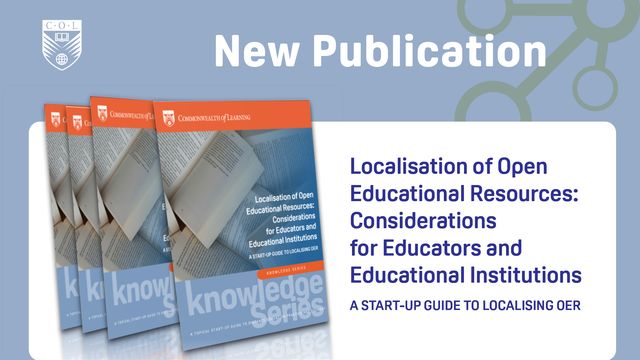
COL has published a Knowledge Series guide on localising open educational resources that highlights Indigenous knowledge and community languages, and cautions that AI-supported localisation needs ongoing human oversight.
“The guide also notes AI’s potential to support localisation, while cautioning that certain languages and knowledge systems are poorly represented in training data.”
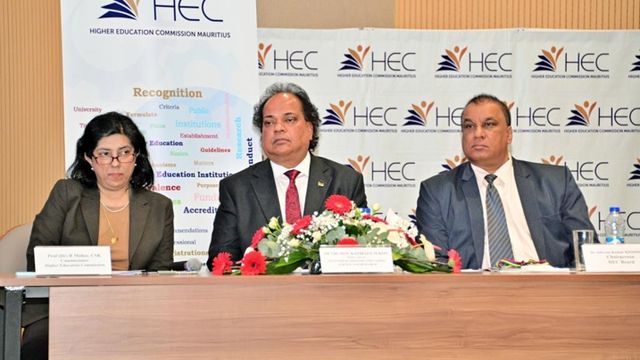
COL and HEC Mauritius convened a September 2026 national stakeholders’ workshop on Graduate Employability and Emerging Skills Study findings and will next work towards a national employability policy.
“the National Strategy for Higher Education, Science and Research 2025–2035, which identifies graduate employability as an important national priority”
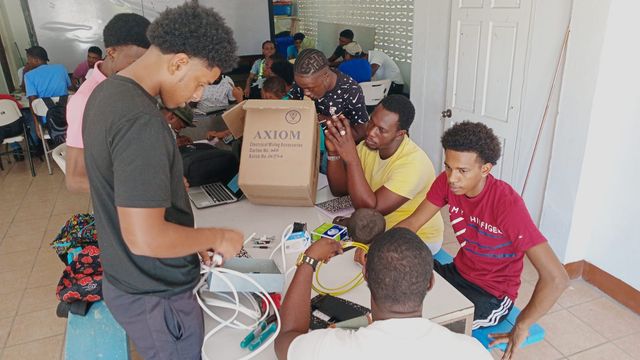
Research on men in the Caribbean who succeeded in education against the odds informed a COL open school concept addressing boys’ disengagement, which COL plans to pilot in selected Caribbean Member States.
“The model proposes integrating academic education with vocational training, alongside community- and peer-based mentoring and innovative learning activities, leading to dual certification.”
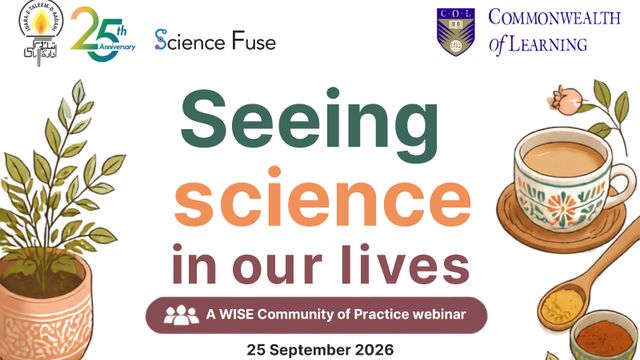
ITA and Science Fuse, in partnership with COL, organised a 25 September 2026 WiSE webinar on girls’ and young women’s interest in science, drawing on SSTR, an ITA–COL programme in peri-urban Lahore.
“The programme aims to translate young women’s strong aspirations to upskill, gain recognised certification and earn an income into tangible pathways to financial inclusion, entrepreneurship and sustainable livelihoods.”
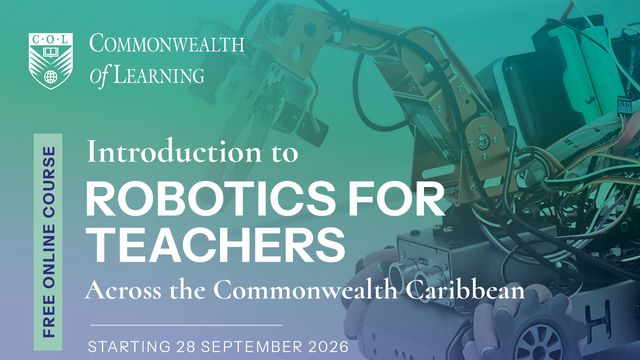
COL’s free 12-week online Introduction to Robotics for Teachers, part of its Youth Robotics for Blue-Green Resilience and Prosperity Project, is designed to help Caribbean educators integrate robotics into teaching and learning.
“COL’s Introduction to Robotics course has reached its full capacity of 500 participants, and registration is now closed”
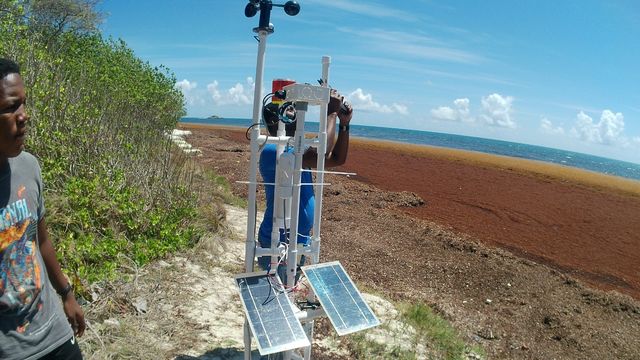
COL’s Youth Robotics for Blue-Green Resilience and Prosperity pilot has seven Caribbean youth robotics teams and a research, media and advocacy team, with selected participants to present at CHOGM in Antigua and Barbuda.
“The Robotics Design and Prototype stream consists of 49 young people aged 16 to 23 who will develop potential responses to challenges”
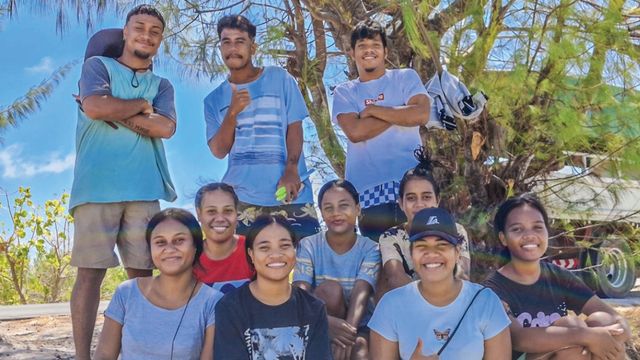
With New Zealand MFAT support, COL is launching Phase 2 of the Pacific Partnership for Open, Distance and Flexible Learning, a decade-long effort running 2026–2036 across ten Pacific Island countries.
“More than 7,200 educators enrolled in professional development to drive up the quality of open education.”
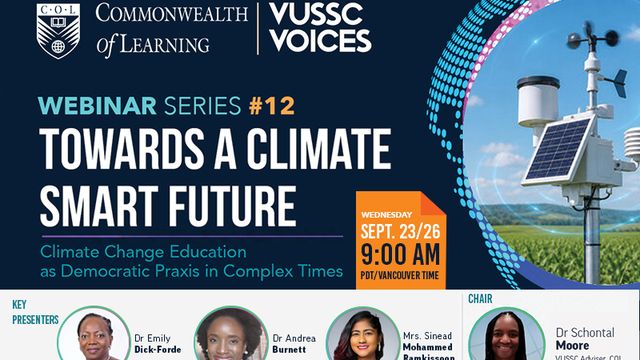
Chaired by COL’s VUSSC Adviser Dr Schontal Moore, the online session scheduled for 23 September 2026 was to include a University of the West Indies Global Campus presentation on climate change education as democratic praxis.
“VUSSC Voices, a webinar series highlighting expert voices from COL’s Virtual University for Small States of the Commonwealth (VUSSC) network, returns with its 12th webinar on climate-smart futures.”
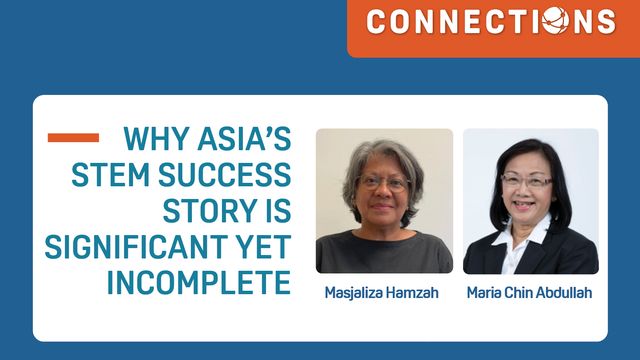
COL-supported research in Brunei Darussalam, India and Malaysia suggests that getting girls into classrooms and lecture halls has proven far easier than retaining women and enabling them to advance in STEM careers.
“Women account for less than 40 per cent of the STEM workforce in 12 of the 20 Asia-Pacific countries with available data”
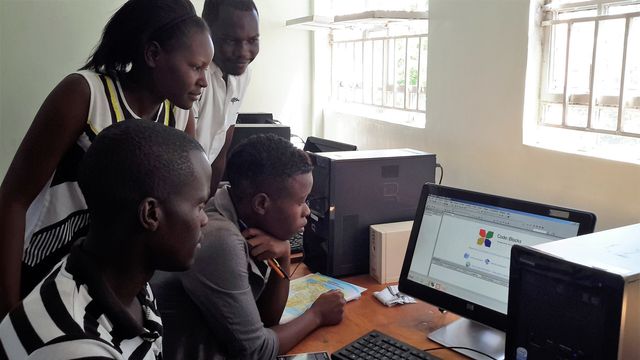
COL’s higher education adviser urges ODL institutions to embed metaliteracy as AI use grows, citing COL support for ethical-AI dialogue in South African teacher education and a higher education AI governance framework in Mauritius.
“UNESCO reports that globally at least 739 million adults still cannot read and write, two-thirds of them women.”
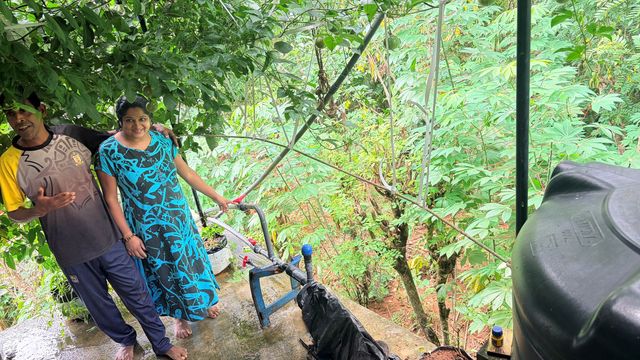
Through COL’s Global Affairs Canada-funded EWG project with Sri Lankan partner WDC, Saroja trained in sustainable agriculture and climate-smart farming, helping her build a home-garden business that recovered after Cyclone Ditwah.
“The garden now provides nearly 90 per cent of the food her family consumes, significantly reducing household food expenses while giving the family access to a more nutritious diet.”
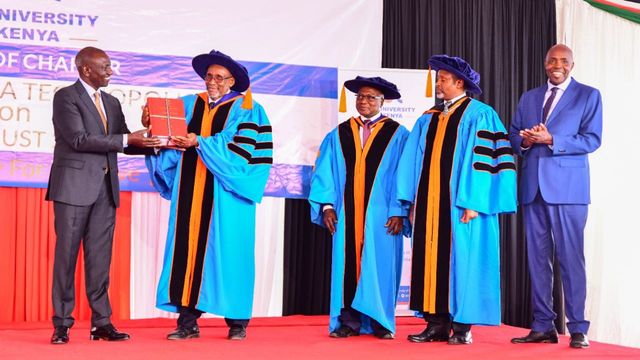
The Open University of Kenya, the country’s first fully online and specialised public university, offers Commonwealth lessons on expanding access through digital delivery, market-responsive programmes, partnerships and learner support.
“It has enrolled more than 30,000 learners from 79 countries”
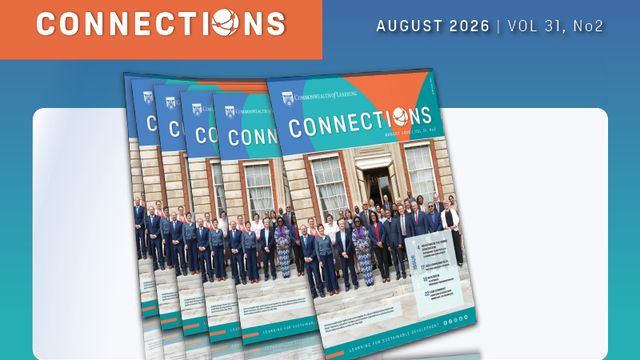
COL’s August issue of Connections covers youth innovation ahead of CHOGM 2026, the disengagement of boys and young men from education, pathways for women in science and technology, and livelihood-focused skills development.
“With young people representing more than 60 per cent of the Commonwealth’s population, this issue of Connections looks at the opportunities and barriers they face”
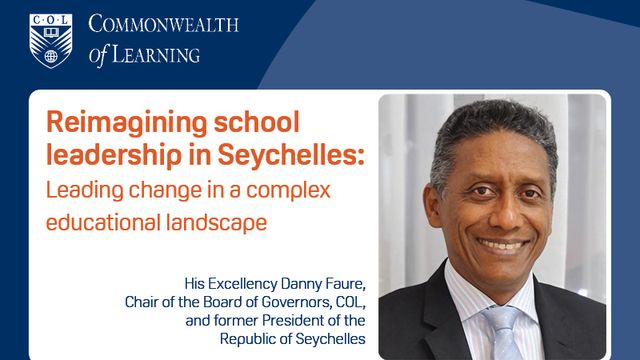
In a keynote to Seychelles headteachers, COL Board Chair Danny Faure proposed open schooling to reach young people not well served, including NEETs, and highlighted COL-supported teacher digital professional development.
“A cascading capacity-building model trained 71 Master Trainers, who subsequently trained 554 teachers nationwide from 37 schools.”
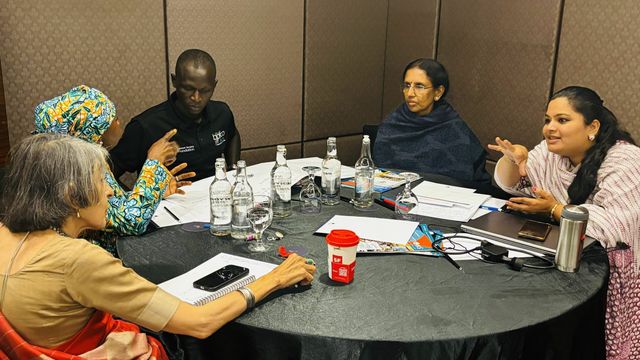
WiSE, COL’s Women in STEM initiative, held its first international activity, a four-day Kuala Lumpur workshop with participants from six countries, where Malaysia’s Ministry of Higher Education announced dedicated research funding.
“Around the world, women make up only 35 per cent of STEM graduates and hold only about a quarter of jobs in science, engineering, and ICT.”
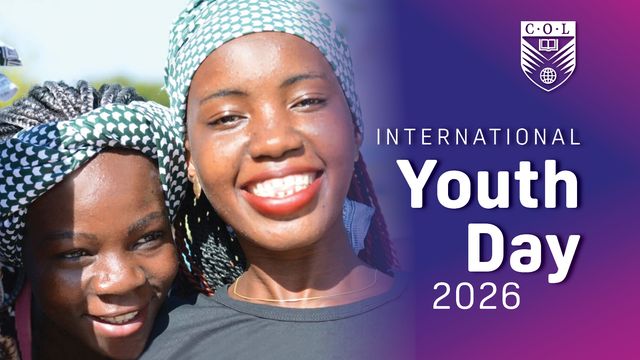
COL has partnered with the Centre for Global Education on a global youth digital-skills survey to shape OER, and plans a Youth Robotics Innovation Challenge for the CHOGM 2026 Youth Forum.
“Representing more than 60 per cent of the population across Commonwealth Member States, young people have an important role in building stronger, fairer, and more resilient societies.”
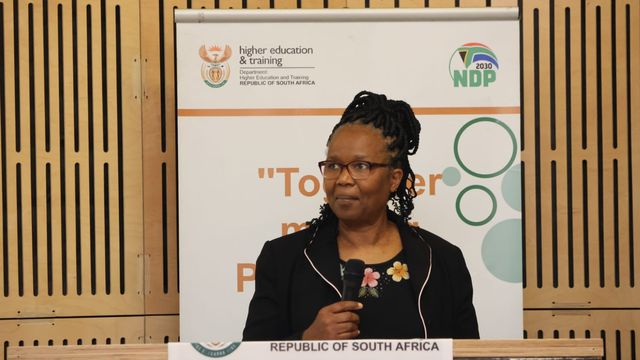
At a national workshop on AI in teacher education convened by South Africa’s DHET with COL, participants developed a principle-based national policy and established a national task team to support implementation.
“MRTEQ is currently silent on AI and must mainstream AI literacy so that it becomes a core attribute of teacher education graduates.”
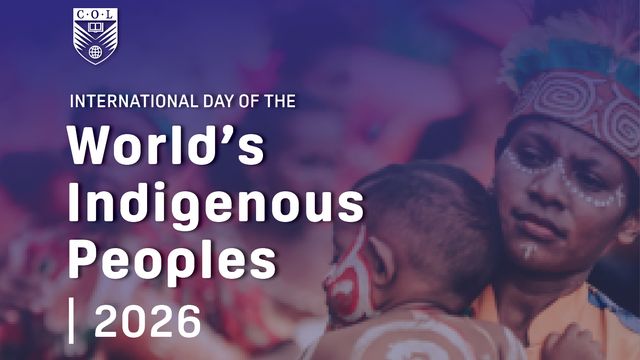
On the International Day of the World’s Indigenous Peoples, COL calls for OER involving Indigenous knowledge to be co-designed with knowledge holders, and for Indigenous data sovereignty to guide AI tools and OER platforms.
“Indigenous data sovereignty should guide learning analytics, AI tools, and OER platforms.”
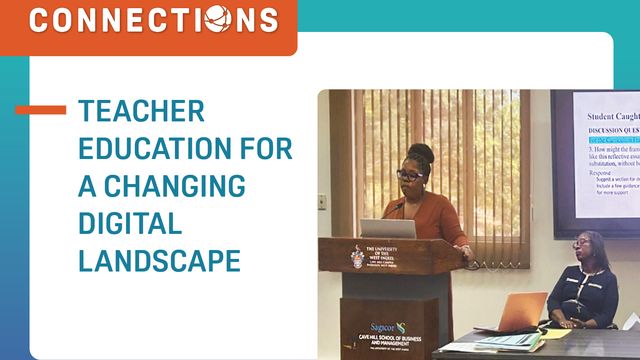
COL is supporting The University of the West Indies, Cave Hill Campus, to co-develop regional AI guidance for teacher education with representatives from five Eastern Caribbean countries; an AI course for teachers will follow.
“developing three public goods: an AI curriculum framework, an AI policy, and an AI code of conduct”
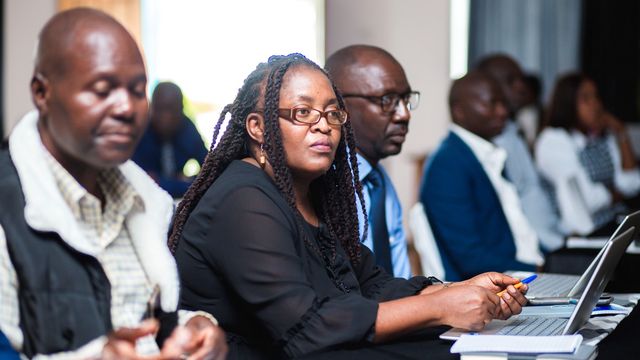
Zambia’s Open TVET Expo drew more than 80 policymakers, regulators and practitioners from 21 institutions, and COL presents Zambia’s aligned policy, regulation and blended competency-based training as a model for scaling Open TVET.
“With support from COL, the Technical Education, Vocational and Entrepreneurship Training Authority (TEVETA) in Zambia implemented national ODFL Standards in 2025, providing a framework for accrediting flexible and blended provision.”
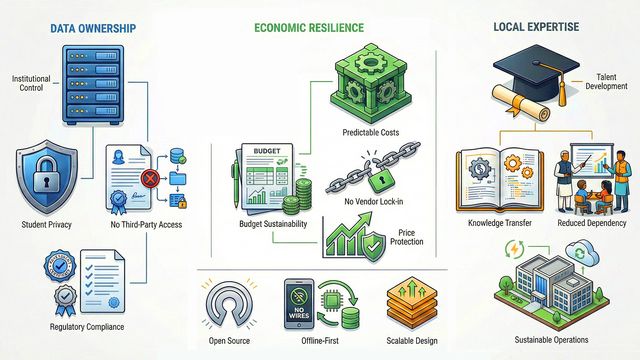
COL’s Frugal AI reference architecture uses open-weights models where appropriate; properly designed, locally hosted AI can help institutions keep learner records within national or institutionally controlled systems, and COL’s AI-agent trials follow a Teacher-in-the-Loop approach.
“Institutions and agencies in Mauritius, Malaysia, Samoa and Vanuatu have formally engaged with COL’s Frugal AI work, and capacity building is under way with the Higher Education Commission of Mauritius.”
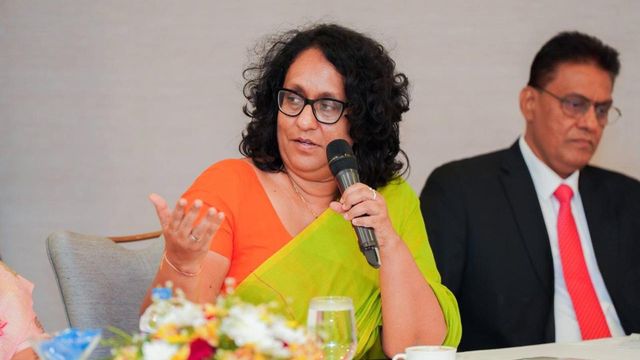
Sri Lanka is developing a national micro-credential framework with COL’s support, while COL’s Commonwealth Micro-credential Framework for Lifelong Learning guides policymakers and providers in building recognised, portable, quality-assured micro-credential systems.
“In April 2026, the Sri Lankan Cabinet approved an agreement between the Ministry of Education, Higher Education and Vocational Education and COL to develop and implement the national framework”
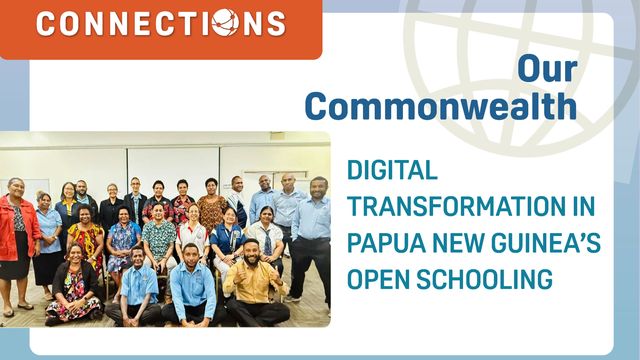
Through COL’s Contribution Agreements, Papua New Guinea’s FODE open schooling system has moved to its own platform and LMS and soft-launched Grade 11 LMS courses in two provincial centres in 2025.
“What has emerged is steady, deliberate progress — from an initial pilot in the second half of 2024 to the formal soft launch of an online platform in 2025”
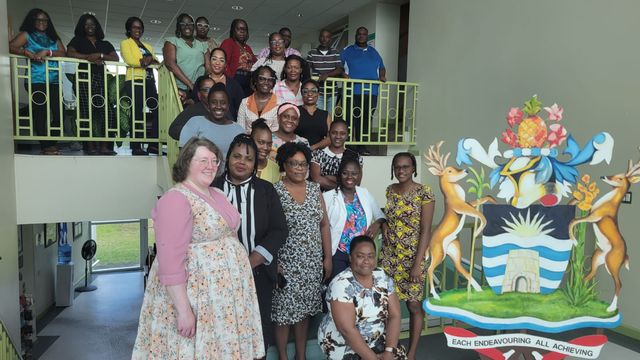
A COL-supported train-the-trainer session prepared Antigua and Barbuda teacher-leaders to champion OER and an emerging national CPD platform, an experience COL says shows Small States how to embed OER in teacher development.
“25 teacher-leaders from the Ministry of Education, Sports and Creative Industries (MOESC) of Antigua and Barbuda came together in St John’s for a three-day COL-supported capacity-building session on OER”
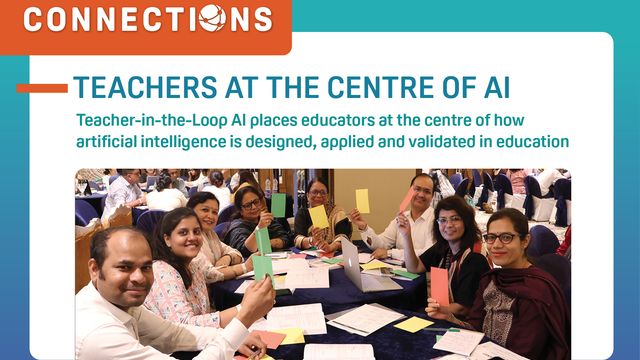
COL’s TiL-AI project in India saw 180 secondary mathematics teachers improve Generative AI use and act as co-designers, validators and quality filters of AI-generated resources, reinforcing that AI should augment, not replace, teacher expertise.
“Forty hours of TiL-AI training have been formally recognised toward the mandatory 50-hour annual teacher professional development requirement in India.”
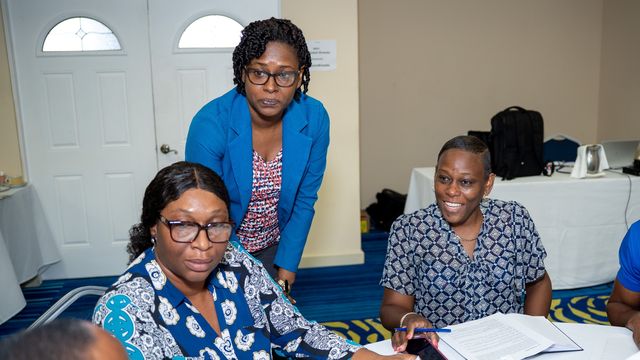
Grenada’s first major COL-supported TVET initiative brought over 40 stakeholders together to shape a digital transformation roadmap for TVET using the 9P’s, from purpose and policy to partnerships and platform.
“the new policy will serve as a successful case study for other Small States wanting to transform their TVET systems”
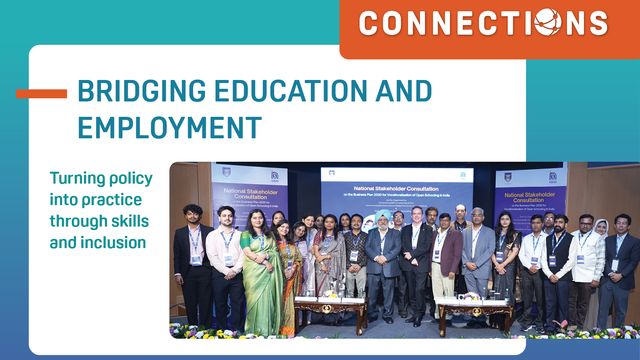
Through CEMCA, COL’s India work spans vocationalisation, ethical AI and inclusion, including TiL-AI professional development reaching 1,400 teachers and a programme to prepare 1,000 young women aged 18–35 for gig-economy work.
“COL is scaling its impact, reaching over 130,000 educators and supporting a pathway to vocationalise education for four million learners by 2030”
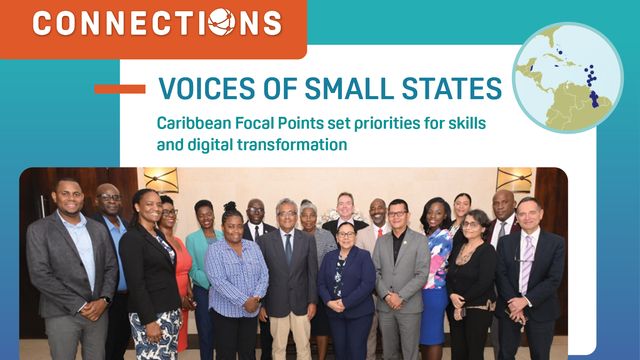
COL’s March 2026 Caribbean Focal Points Meeting in Kingston put teacher development at the top of regional priorities, drew interest in piloting innovative open schooling, and stressed collaboration among small states.
“Senior officials from 12 Caribbean Commonwealth countries, along with Malta, met to share their thoughts, work more closely together, and identify priorities for improving education and skills development”
In an Earth Day piece, COL’s Jako Olivier argues ODL can expand access while cutting emissions, citing COL’s call for a “New Green Learning Agenda” that equips learners with green skills.
“A recent systematic review of 17 studies found that ODL typically produces substantially lower emissions than campus-based education, with some landmark studies reporting reductions of more than 80 per cent.”
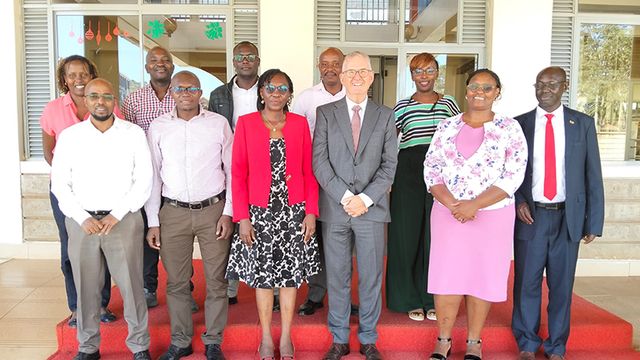
Partnering with COL, the Open University of Kenya hosted a February 2026 micro-credential policy and programme workshop, in an initiative that builds on COL's Commonwealth Micro-credential Framework for Lifelong Learning.
“Following the session, a group of academics from the education, science, and business schools at OUK further met to design and develop the institution‘s first set of micro-credentials.”
COL's Frugal AI approach lets TVET institutions adopt open-source, offline-capable, low-cost AI, and its Teacher-in-the-Loop AI project supports practitioners from India, Jamaica, Kenya, Ghana and Nigeria in curating training resources.
“the project curated more than 2,000 training resources for biology, mathematics, fashion design, and science laboratory technology, aligned with national occupational standards and curricula, in just three months”
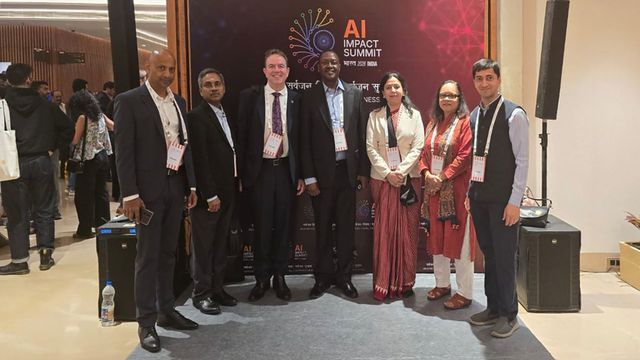
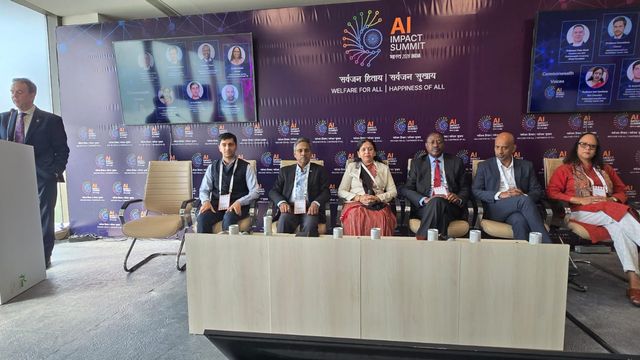
COL launched the Gaborone to New Delhi Compact on teacher-led, localised Frugal AI at the India AI Impact Summit 2026, and leaders from Fiji, India, Kenya and Mauritius endorsed the approach.
“More than a policy statement, the Compact provides a blueprint for “sovereign, private, and secure” AI that aligns with national regulatory frameworks and systematically builds domestic capability.”
COL's Frugal AI framework prioritises open-weight models on local-first infrastructure and keeps education data under local jurisdiction; its offline-first Teacher-in-the-Loop model has teachers approve AI output before it reaches learners.
“Frugality is the pathway; sovereignty is the destination.”
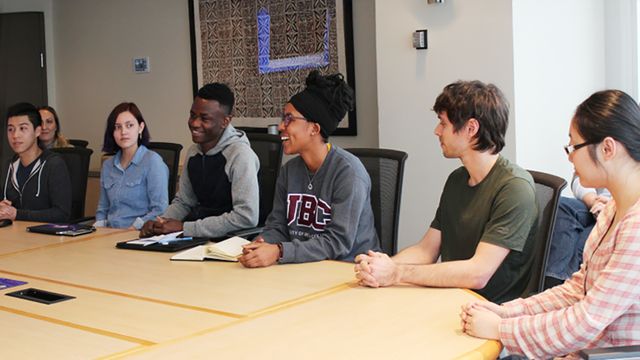
A new two-phase project by COL and the Centre for Global Education will involve a global survey on digital skills by youth themselves, followed by Open Educational Resources addressing the needs expressed.
“With over 60 per cent of the Commonwealth’s population under the age of 30”
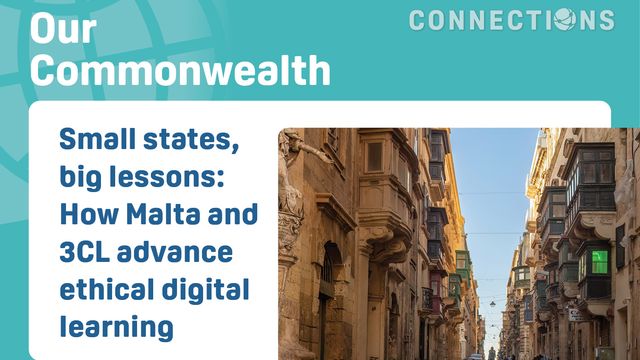
Malta, one of 33 Commonwealth small states, hosts the Commonwealth Centre for Connected Learning (3CL), and initiatives launched there, such as a nation-state blockchain system for verifiable credentials, have often scaled beyond its shores.
“Such initiatives reflect 3CL’s belief that small states are not peripheral actors, but pivotal contributors to global EdTech and open learning ecosystems.”
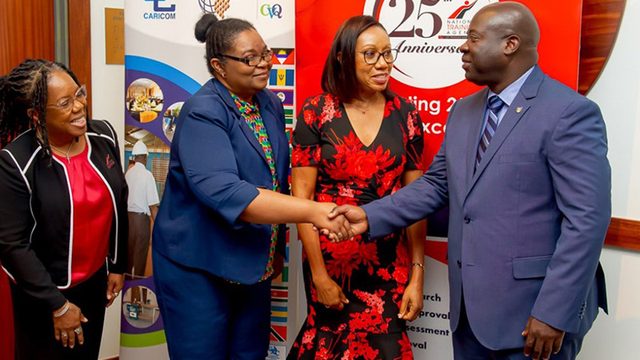
A workshop convened by COL, CANTA and the National Training Agency of Trinidad and Tobago validated blended learning courseware for Caribbean Vocational Qualifications, including Animation and Dance Instruction.
“Participants at the workshop validated critical courseware for competency-based training and assessments using blended learning approaches.”
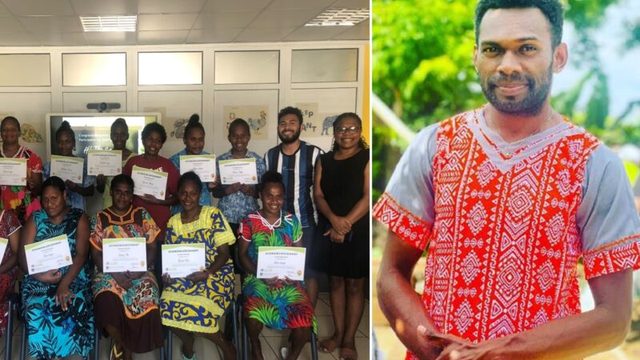
With COL’s partners V-Lab and Youth Challenge Vanuatu, 50 youths completed entrepreneurship training in the Ready for Business programme, among them a 26-year-old clothing business owner.
“he gained skills which would help provide more control over his finances, leverage online marketing, and wisely manage his time and customer relationships”
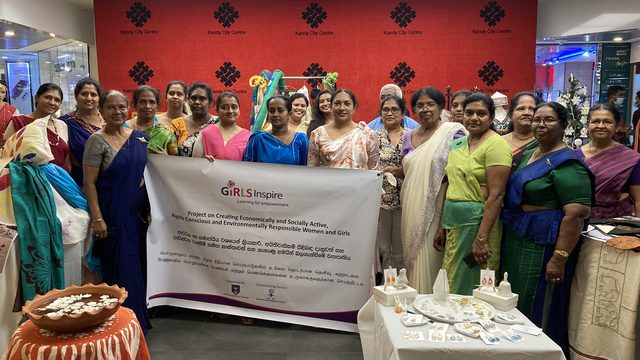
COL’s GIRLS Inspire partners in Pakistan and Sri Lanka facilitated women and girls’ participation in the Behbud Art & Craft Bazaar in Islamabad and the ‘Femme Creatif’ exhibition in Kandy, promoting their handmade products.
“Exhibitions and arts and craft fairs can be a great way for artisans to sell their work, connect with customers and build reputation.”
COL gave The Bahamas Aptus off-grid learning devices pre-loaded with local curriculum content, plus tablets, for schools still grappling with hurricane Dorian's devastation, to help build education resilience.
“Professor Asha Kanwar symbolically handed over 30 Aptus devices and 300 tablets to The Honourable Jeffrey Lloyd, Minister of Education, The Bahamas”
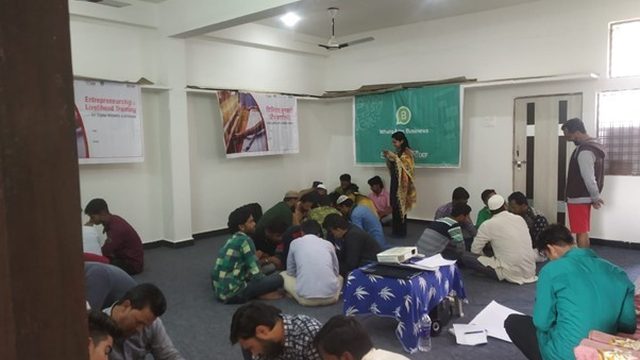
COL supported the Digital Empowerment Foundation to build the digital skills of 2,000 artisans and weavers from marginalised communities in India, from cataloguing and design platforms to digital payments and e-commerce.
“With dedicated online pages, they are now able to reach wider audiences and increase their sales, especially during the lockdown.”
COL's Virtual University for Small States of the Commonwealth and the University of Seychelles launched a free five-week Blue Economy MOOC that drew more than 1,200 learners from over 70 countries.
“Participants come from over 70 countries, with the largest representation from the Pacific and Caribbean regions.”
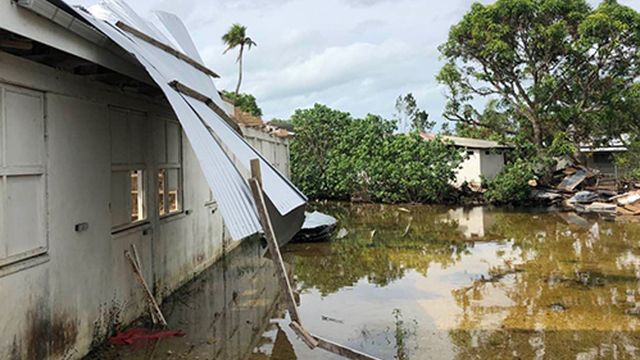
After Tropical Cyclone Gita damaged Tonga's power grid and school buildings, COL sent Aptus devices to help restore classroom teaching and, with its regional centre PACFOLD, trained local personnel to create learning materials.
“On April 10, COL deployed 25 Aptus devices and 250 high-quality tablet computers”
Your 2027+ compass
As COL completes the Strategy 2021–2027 and readies for 2027+, we continue to listen and act. Spread 100 points across the 15 strategic talking points to see where your compass points, then keep a card of it or email your priorities to COL from your own email app.
Accelerating Commonwealth learning partnerships
Created by Commonwealth Heads of Government in 1987, COL is the Commonwealth’s intergovernmental organisation for learning innovation and sustainable development.
Year 5 of our 2021–2027 Strategy
Results to June 2026
national policies and strategies, with ministries in 37 Member Nations
government officials trained in 42 Member Nations
institutional policies, in 170 institutions
institutional staff trained
enrolments in ‘credit-linked’ courses
learners trained for sustainable livelihoods
At CHOGM 2024 in Samoa, the Commonwealth of Learning (COL) asked the Commonwealth Heads of Government to raise the priority of learning innovation, to focus on digitalisation and to speak with a common voice on education (COL, 2024). Today it is important to show how partnership and investment in learning can turn that common voice into delivery.
Learning is the answer to many of the questions we now face in 2026. Investment in education is linked directly to social stability, productivity and peace, yet conventional education systems tend to replicate and reinforce inequalities, particularly in access.
The Commonwealth Heads of Government created COL in 1987, under a Memorandum of Understanding signed in 1988, to widen access to opportunities for learning, to lead thinking on open learning and innovation, and to start with disadvantage. COL works with ministries on policy, with institutions on quality and capacity, and directly with learners where it matters most, from its headquarters in Vancouver, Canada, and its centre in New Delhi, India, and through Focal Points nominated by Education Ministers in every Member Nation.
The need is clearer every day.
A more complex world calls for a quality leap in open, digital and distance learning, with blended and online provision, AI literacy, digital skills and flexible, recognised credentials, and for closing the long-standing gaps in access to technology and learning resources for the most disadvantaged.
Working in partnership with Commonwealth intergovernmental institutions, accredited organisations and sister international agencies, COL aims to respond with agility to strategic needs and to work directly to the strategy of Member Nations expressed through Ministry partnerships and guided by Country Focal Points.
COL leverages the expertise and experience of every Commonwealth partner to solve each single challenge to the benefit of all 56 Member Nations.
Working in synergy
The Commonwealth of Learning works in synergy with sister organisations. These talking points align with the Commonwealth Secretariat strategic pillars (in blue) and the Commonwealth Foundation aligned focus areas (in italics).
All talking points presented here are driven by the requirements of Commonwealth Member Nations as expressed by Ministry of Education Focal Points and are aligned with sister intergovernmental and accredited partners.
From Apia, Samoa to St John’s, Antigua and Barbuda, via Gaborone, Botswana
COL asked the Commonwealth Heads of Government to raise the priority of learning innovation, to focus on digitalisation and to speak with a common voice on education.
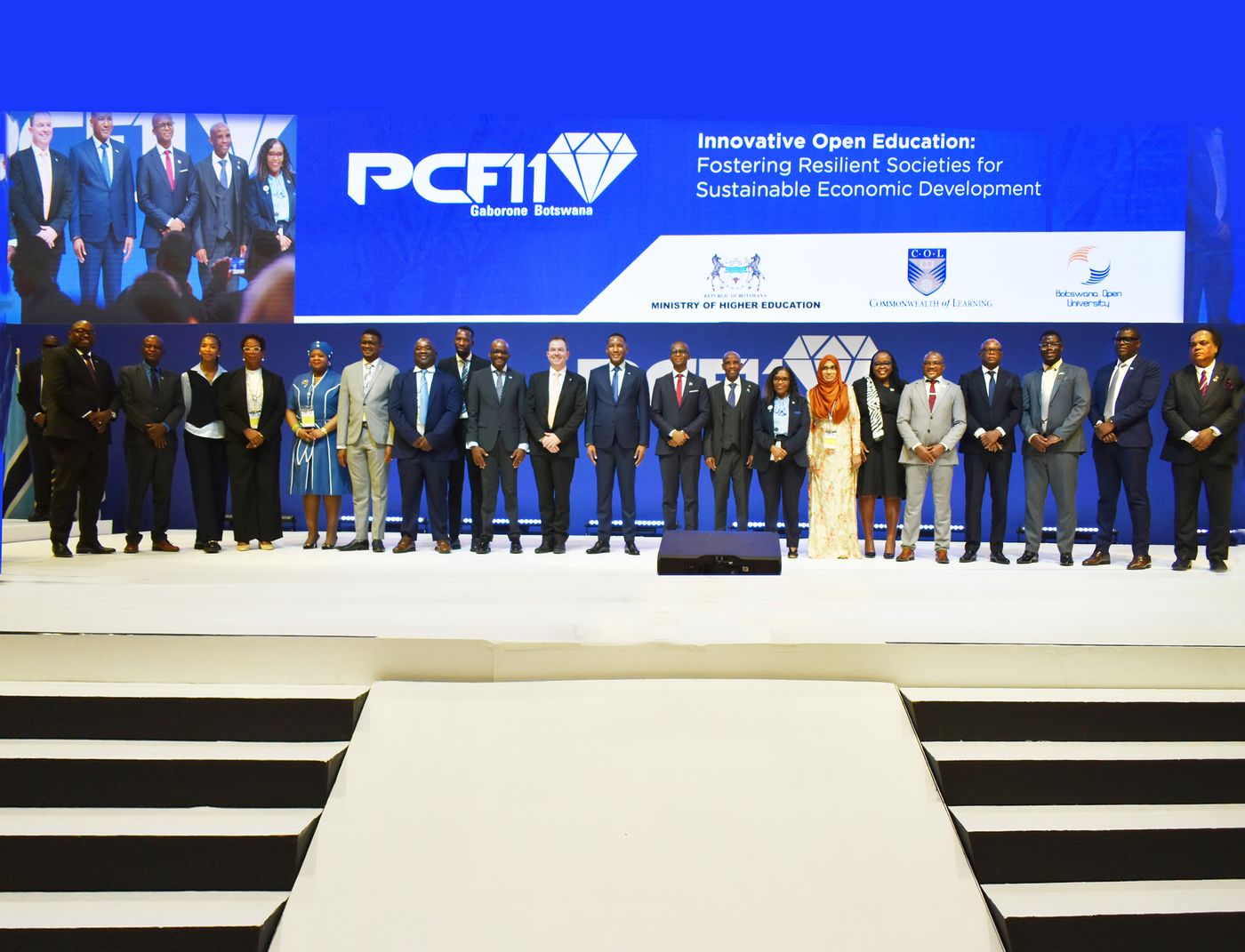
The 11th Pan-Commonwealth Forum brought together more than 400 participants from 48 countries; the Gaborone Statement on Open Education sets seven collective actions.
15 talking points for consideration, with 12 concrete opportunities to act.
Hosted by Botswana in Gaborone in September 2025, with the Ministry of Higher Education and Botswana Open University, the 11th Pan-Commonwealth Forum on Open Learning (PCF11) brought together more than 400 participants from 48 countries, with ministers and senior government officials in a dedicated Ministerial Track for Member Nation feedback and engagement (COL, 2025b). COL’s scholarly strength leverages evidence to act with clarity.
The Gaborone Statement on Open Education, building on the CHOGM 2024 Samoa Communiqué, sets seven collective actions for governments, institutions and partners. These ongoing actions are now carried through the 15 talking points presented here for CHOGM 2026.
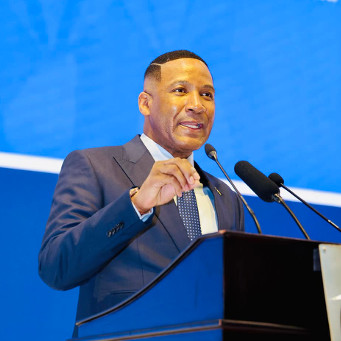
Launching the open learning forum, His Excellency President Advocate Duma Gideon Boko stressed the importance of creativity and innovation in building a knowledge-based economy.
(COL, 2025a)
The Gaborone Statement
EWG results in five countries; an open schooling proposition for the Caribbean.
a ten-year Pacific partnership; research on Caribbean young men’s success; a business case for AI-assisted open resources in TVET.
the Gaborone to New Delhi Compact and reference architecture; guidance on conversational agents in tertiary education.
a co-creative mentoring model (Ghana); an ODL framework and Beyond Numbers (Africa); 1,500+ quality-assured, teacher-created resources through Teacher-in-the-Loop AI.
a micro-credential implementation and quality assurance guide; guides to localising open resources, including with AI (a, b, c).
Youth Robotics for Blue-Green Resilience; an inclusive teacher competency framework steered by the Maldives.
References
Take it with you
The original PDF; a share card for every talking point, carrying its persistent link and a link and QR code back to its mini-site; and print cards of 4 × 5 inches, with COL’s QR code for the talking point on the back. Nothing here sends anything on your behalf.
Interrogate these talking points
A working example of the Frugal Educational AI idea: the search runs entirely in your browser, with no cloud, no account and nothing sent anywhere. It finds and quotes passages from the talking points, with their page, and never makes anything up.